Recording Patient Calls: One-Party vs All-Party Consent
Federal law lets you record a call you are part of. Some states do not. Here is what the statutes and one California Supreme Court case say, what to say at the start of a call, and what to ask counsel.
+ Federal law allows recording a call with one party's consent, but California and Maryland require the consent of all parties.
+ A call that crosses a state line can fall under the caller's state law, as the California Supreme Court held in Kearney.
+ A recording notice at the very start of the call is the step California's high court pointed to, and counsel should confirm it for every other state.
+ Do not rely on a list of all-party states you have not checked against the statutes, because lists disagree and go stale.
+ Take retention, access, transcripts as a designated record set, and vendor use of audio to counsel and your privacy officer.
Your phone system records calls, and your office sits in a state where that is perfectly legal. Then a patient calls from somewhere else. Whose rule applies to the recording, and what did you tell them before it started?
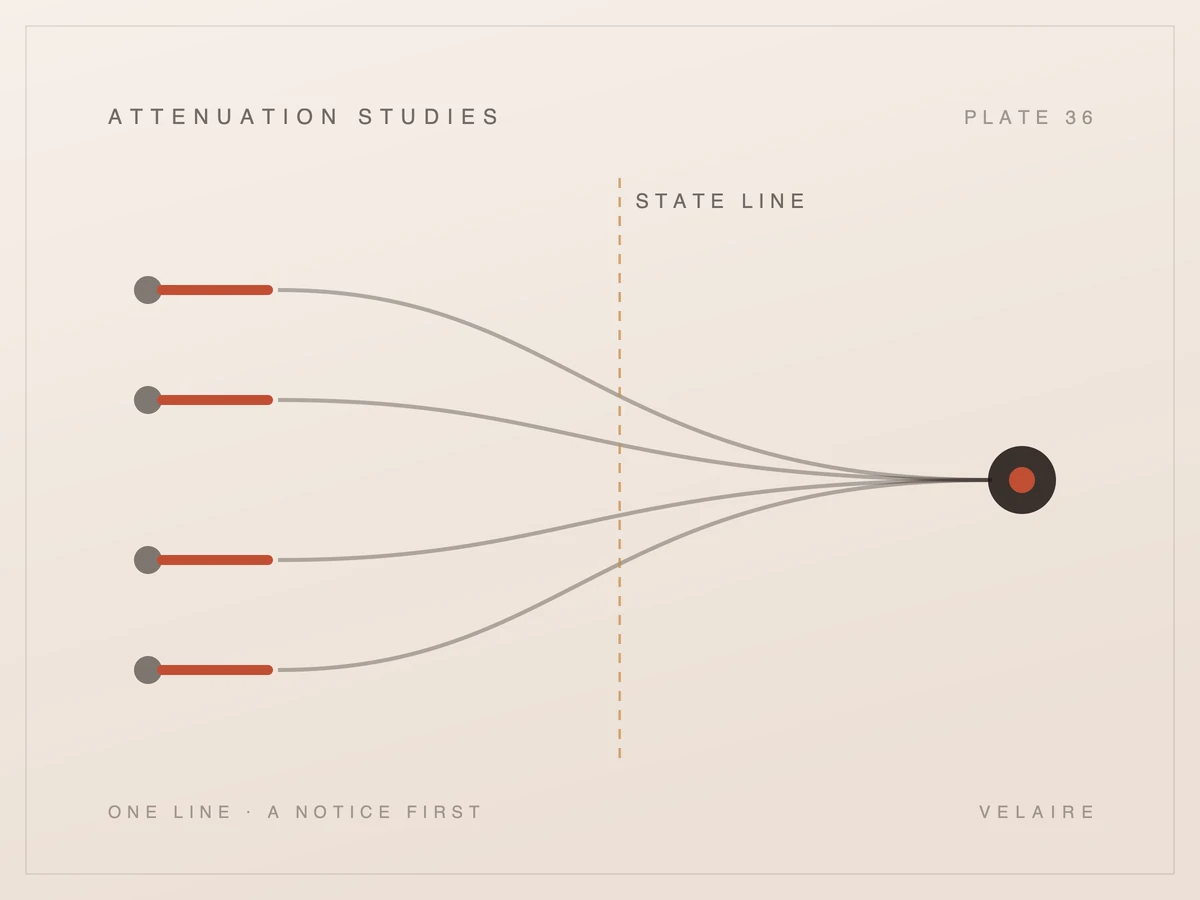
The office is in a one-party state.
The caller is somewhere else.
Whose rule applies to the recording?
Same call. Two states. Two rules.
A practice that records calls usually has ordinary reasons: to settle a dispute about what was said, to train staff, to check that a booking was entered correctly. Nobody thinks of it as surveillance. The law sometimes does, and the rule that applies depends on where people are standing when they pick up the phone, and your office is only half of that.
This post explains the federal rule, shows what two state statutes actually say, covers what happens when the caller is in another state, and lists the questions that belong with a lawyer. It is a general overview for owners and office managers of US practices, not legal advice. Recording law varies by state and changes, so have counsel confirm the rule in every state where your patients live.
Federal law lets you record a call you are part of, or one where any participant has agreed in advance. That is the one-party consent rule. It has a narrow exception for recording made to commit a crime or a civil wrong. Breaking the rule is a federal crime and also opens the door to a civil suit.
The rule is in the federal Wiretap Act, 18 U.S.C. 2511(2)(d). It is not unlawful for a person to intercept a wire, oral or electronic communication "where such person is a party to the communication or where one of the parties to the communication has given prior consent," unless the interception is made "for the purpose of committing any criminal or tortious act" [1].
The cost of getting it wrong sits in two places. Section 2511(4) sets a federal penalty of a fine or imprisonment of not more than 5 years, or both [1]. Section 2520 lets a person who was recorded sue, and a court may award the greater of the actual damages or statutory damages of $100 a day for each day of violation or $10,000 [2].
Federal law asks for one person's consent. Several states ask for everyone's.
For a practice that records its own calls, the federal rule is the easy part. A staff member or phone agent on your side of the call is a party, so one-party consent is met. The harder question is whether a state statute asks for more.
Because states write their own recording laws, and some require every person on the call to consent. Federal law sets one rule, a state can set another, and a call between two states can touch both. A practice that follows only the federal standard may be breaking the stricter law of the state its caller is in.
You do not have to take that on faith. The next section shows the wording of two state statutes that go further than the federal rule, and the section after it covers the case that decided which state's law governs a call that crosses a border.
One caution about lists. Plenty of articles claim to list the "all-party consent states," and they disagree with one another. This post does not publish a full list, because publishing one would mean having read every statute, and a stale or wrong list is worse than none. The table below covers only the states whose text was read for this post, plus the federal rule. For any other state where your patients live, ask counsel for the current rule rather than assuming it is the federal one.
Both states require more than one person's agreement. California makes it an offense to record a confidential communication without the consent of all parties. Maryland makes it lawful to intercept a call as a party when all parties have given prior consent. Each attaches real penalties, and California adds a civil claim worth thousands of dollars per violation.
What the statutes put on the line
$2,500
California fine per violation
Penal Code 632
$5,000
California civil claim per violation
Penal Code 637.2
$10,000
Maryland maximum fine
Up to 5 years, 10-402
Penalties as written in the statutes read for this post.
California's rule is Penal Code 632. A person who "intentionally and without the consent of all parties to a confidential communication" uses a recording device to record it faces a fine not exceeding $2,500 per violation, or up to one year in county jail, or both [3]. A "confidential communication" is one carried on in circumstances that reasonably indicate a party wants it confined to the parties, and it excludes situations where the parties may reasonably expect to be overheard or recorded [3].
Section 637.2 gives the person recorded a civil claim: the greater of $5,000 per violation or three times actual damages, and the plaintiff does not need to show actual harm [4]. Section 632.7 separately covers communications between cellular or cordless phones and landlines, and it requires the consent of all parties [5]. A patient calling from a cell phone is exactly that situation.
Maryland's rule sits in Courts and Judicial Proceedings 10-402. Willfully intercepting a wire, oral or electronic communication is unlawful, and the statute treats interception as lawful for a party "where all of the parties to the communication have given prior consent" [6]. A violation is a felony carrying up to 5 years in prison, a fine of up to $10,000, or both [6].
Rule
What the text requires
Consequence in the statute
Source
Federal, 18 U.S.C. 2511
Consent of one party
Up to 5 years; civil damages of $100 a day or $10,000
[1] [2]
California, Penal Code 632
Consent of all parties to a confidential communication
Up to $2,500 per violation or 1 year in county jail
[3]
California, Penal Code 637.2
Civil claim by the person recorded
Greater of $5,000 per violation or 3 times actual damages
[4]
Maryland, 10-402
Prior consent of all parties
Felony; up to 5 years or $10,000
[6]
This table is not a map of the country. It lists what was read, and nothing more.
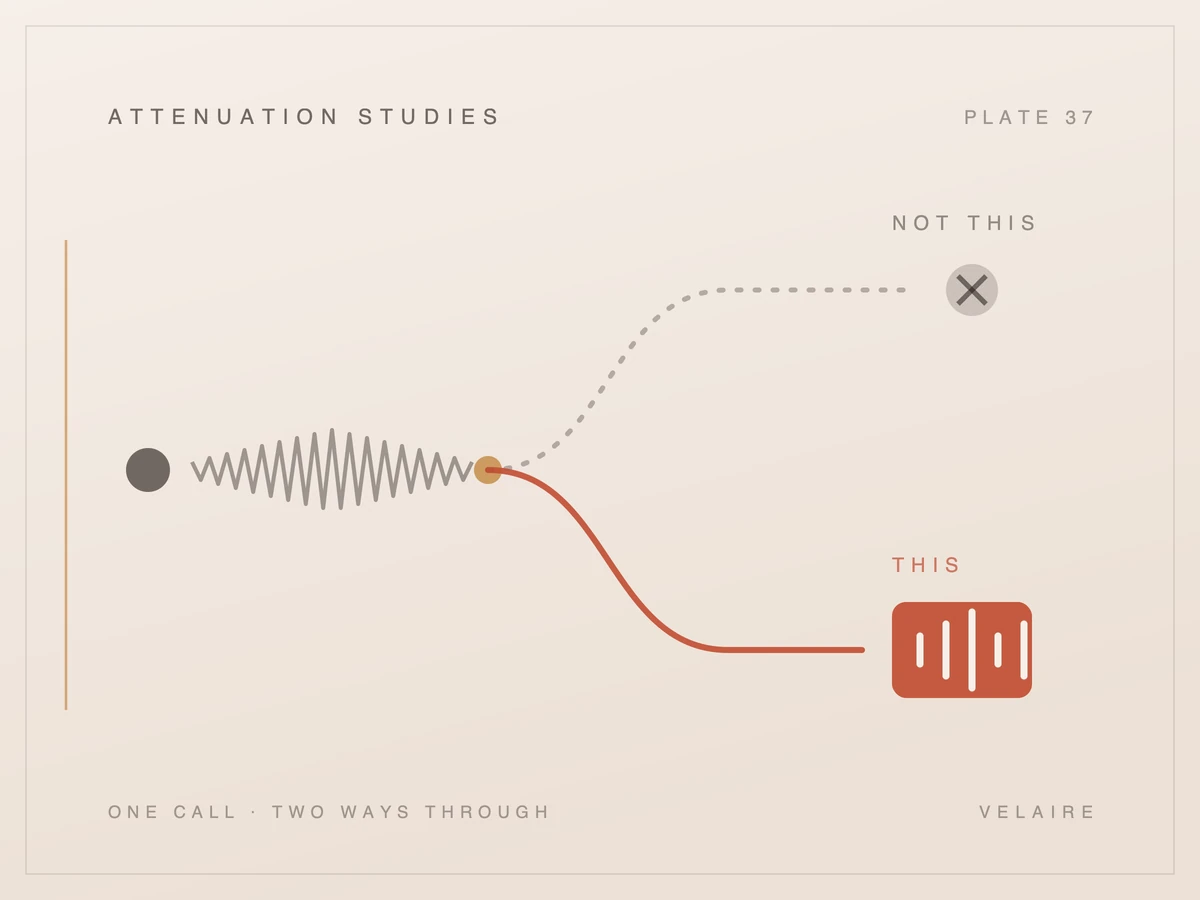
When a business in a one-party state records a call with a person in California, the California Supreme Court held that California law governs. The case is Kearney v. Salomon Smith Barney, decided in 2006. The practical result is that where your office sits does not protect you if your caller sits in a stricter state.
Kearney involved a brokerage whose Atlanta employees recorded calls with California clients. Georgia law did not require the client's consent, and California law did [7]. The court weighed the interests of both states and concluded that applying California law was necessary to protect the privacy California guarantees its residents, and that a rule letting businesses record Californians routinely from out of state would undermine it [7].
The court also said where the line falls in practice. If a business informs a client or customer at the outset of a call that the call is being recorded, the recording would not violate the California statute [7]. For past conduct the court applied Georgia law and denied damages, because businesses had reasonably been unsure which law applied. It also put out-of-state companies on notice that, for future conduct, California law applies to recordings of calls made to or from California [7].
Kearney is a California ruling about California's statute. It does not decide what Maryland, or any other state, would do. It does show the shape of the risk: a court in the caller's state may apply that state's law to your recording, and a notice at the start of the call is the thing the court pointed to.
Whose consent counts
One-party rule
All-party rule
Who must agree
One person on the call
Everyone on the call
Where it appears
Federal law, 18 U.S.C. 2511
California and Maryland
Your office alone
Your own staff are a party
The caller must agree too
Practical step
Still worth a notice
Notice before the call goes on
The federal rule and the two state statutes read for this post.
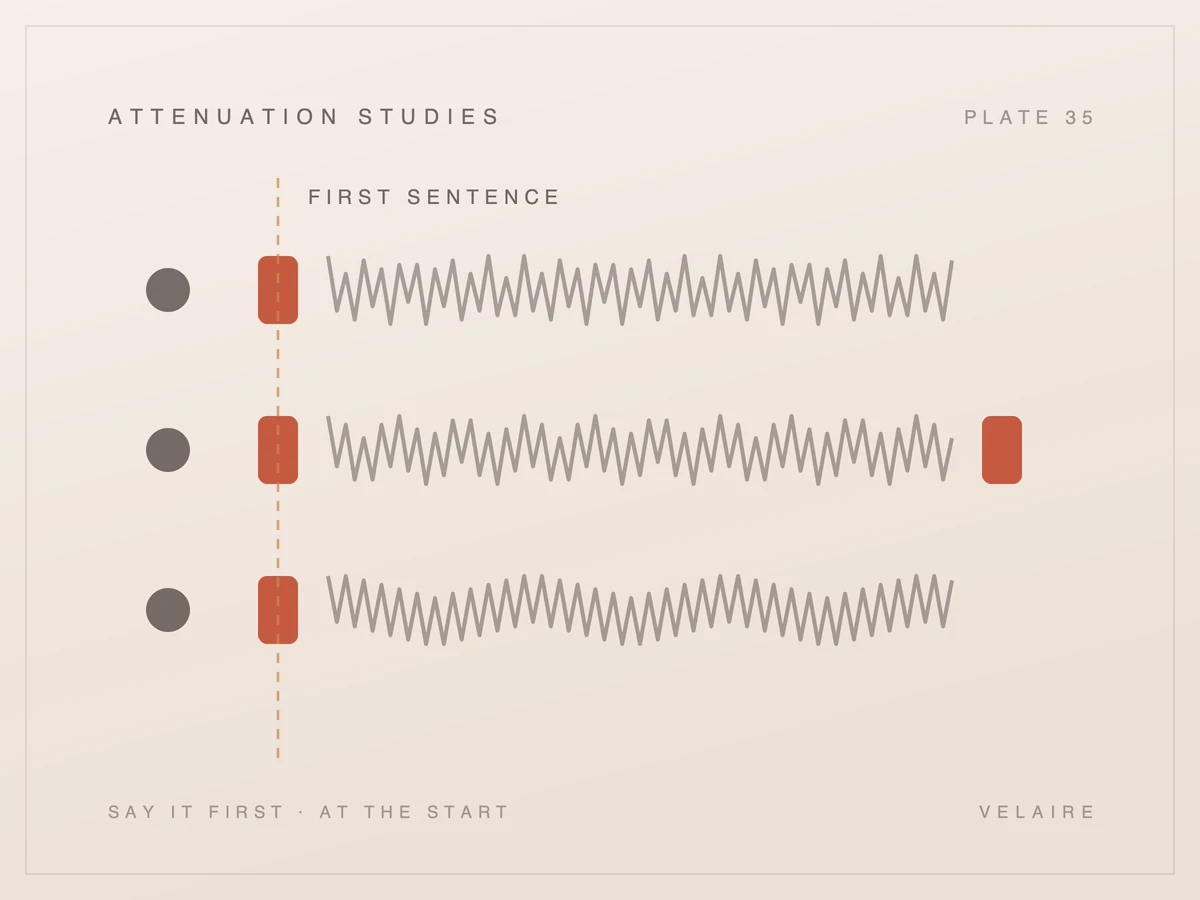
Say, plainly and before anything else, that the call is recorded. Name the purpose if you can, and give the caller a way to object, such as asking for a person or ending the call. The notice has to come at the very beginning, before the patient shares a name, a date of birth or a symptom.
The words matter less than the timing. A short script might read: "Thank you for calling [practice name]. This call is recorded and transcribed so we can book your visit and check it was entered correctly. If you would rather not be recorded, say so now and I will get a staff member." Replace the placeholders with your own wording, and have counsel approve the final text.
The statutes are quieter than you might hope. In Kearney, California's highest court pointed to telling the caller at the outset [7]. Maryland's text asks for the "prior consent" of all parties [6], and it does not say in the text read for this post how that consent must be shown. Whether a spoken notice followed by the caller staying on the line counts as consent in a given state is a question for counsel. Do not assume it.
Four habits help the notice do its job:
Put it first in every greeting, including after-hours and overflow. The main line is only one route in.
Say it in the same words every time, so it can be shown later.
Keep the recording and transcript only as long as your policy says, and write the period down.
Make sure the notice reaches callers who ring in through a transfer or a second number.
The notice only works if it plays on the calls you actually record. A script on the main line does not help if the after-hours route skips it, so test every route by calling in.
The one step California's highest court pointed to is a notice at the start of the call.
The notice sits at the very start of the line, before anything else is said.
Four questions go to your health care lawyer, not to a blog post: whether an opening notice is enough in each state your callers live in, how long HIPAA requires you to keep recordings, whether a transcript is a designated record set, and what your vendor may do with the audio.
The first is whether an announcement is enough in each state. Kearney supports it for California [7], but a statute that requires "consent" may be read differently elsewhere, and the answer can depend on case law this post did not review.
The second and third are HIPAA questions. Retention of a recording, a patient's right of access to it, and whether a transcript forms part of the designated record set all depend on how you use the recording and on rules this post did not examine. Do not decide them from a summary. Ask counsel and your privacy officer, and write down the answer as a policy.
The fourth is the vendor. If a company records and transcribes your calls, it handles patient information on your behalf and will usually need a business associate agreement. Our post on whether you need a BAA for a phone agent covers what that contract has to say, including retention and training use.
Bring your call routing to the meeting too: which numbers record, which states your patients call from, and what the greeting says. A lawyer can give a much sharper answer to a call flow than to a general question.
An AI phone agent that records and transcribes calls creates the same legal question as any recorded line, and it makes the opening seconds easy to standardize. The agent can say the same words every time. What it says has to be checked and approved by the practice before it takes a real call.
Velaire Health answers calls on your existing number and says at the start of every call that it is automated. Calls are recorded and transcribed, and they are kept for as long as the practice has an account, though a shorter window can be agreed before go-live. Before the agent takes a real call, the practice hears it and approves it.
What the greeting says about recording is the practice's call to confirm. Ask exactly which words the agent speaks in the first 10 seconds, whether they include a recording notice, and what the wording is on every route, including after hours. If your counsel wants specific language, raise it before go-live, when the practice reviews the agent. Do not assume a notice is included just because the agent announces that it is automated. Those are two different statements.
The same discipline helps with staff. If you are writing down how your front desk and any phone agent should handle each type of call, our guide to writing your call handling rules is a good place to put the recording notice. And if callers are giving identifying details on a recorded line, verifying the caller matters even more, because the recording now holds what they said.
Before you record a patient call
✓The states your patients call from, written down
✓Counsel's view of your opening notice in each of those states
✓The exact notice wording, the same on every route
✓A retention period and who may open a recording
✓A decision on whether transcripts are part of the designated record set
✓A signed agreement with any vendor that stores audio or transcripts
A short list to work through with counsel.
Keep a short written record of the notice wording, the retention period, and the date counsel approved it. If anyone ever asks, that page is the answer.
FAQs
Questions about this
Under federal law, yes, if you are a party to the call or one party has consented in advance. State law can be stricter. California and Maryland, for example, require the consent of all parties. A call that crosses a state line can touch both, so ask counsel which rules cover the states where your patients live.
Under a one-party rule, a person on the call can record it, or agree to it being recorded, without telling the others. Under an all-party rule, everyone on the call must agree. Federal law is one-party. California and Maryland are all-party, and you need counsel to confirm the rule in any other state.
A notice at the start is the step the California Supreme Court pointed to in Kearney, which said that informing the caller at the outset means the recording would not violate the California statute. Whether a notice counts as consent in other states is a question for counsel, so do not assume it does.
The caller's state may apply its own law. In Kearney v. Salomon Smith Barney, the California Supreme Court held California law governs recordings of calls made to or from California, even when the business and its employees were in Georgia. Other states may reach their own conclusions, so ask counsel before relying on your office's location.
That depends on how the practice uses the transcript and what counsel concludes, and this post does not decide it. Whether a transcript is a designated record set, how long you must keep recordings and who may request them are questions for your health care lawyer and privacy officer, who should write the answer into a policy.
Builds AI front-office systems for medical and aesthetic practices. Posts here start from published sources rather than vendor claims, and every number links back to where it came from.
Section 1557 asks covered practices to give callers with limited English a qualified interpreter, in writing and on the phone. Here is who is covered, what the rule says, and what a phone agent can and cannot do.
No federal law makes a phone agent say it is an AI on a call you receive. A few states do, in different ways. This post reads the statute text for California, Utah, Texas and Colorado, plus the FCC proposal.
Under a federal rule, a self-pay caller's question about cost counts as a request for a written Good Faith Estimate. Here is what the phone must say, the deadlines, and what is still unsettled.
HIPAA says a practice must verify who is calling before it discloses patient information, and leaves the method to you. Here is how to write that method down, for staff and for a phone agent.
When a US practice needs a business associate agreement with an AI phone agent vendor, what the agreement must cover under HIPAA, and what to request before call data flows.
Six situations that happen weekly at every practice, what the rule actually permits in each, and why the answer is usually more permissive than staff assume and stricter than callers expect.
The plain-language explainer: what it does, what it deliberately doesn't, and how it compares with voicemail, an answering service, a phone tree, and hiring.