Compliance
What Your Front Desk May Actually Say
Six situations that happen weekly at every practice, what the rule actually permits in each, and why the answer is usually more permissive than staff assume and stricter than callers expect.
On missed calls, front-office operations, and what actually matters when you're evaluating an AI front office.
The plain-language explainer: what it does, what it deliberately doesn't, and how it compares with voicemail, an answering service, a phone tree, and hiring.
10 long ones, numbered by lesson. Worked sequences you follow with your own phone log open: sizing the gap, writing the rules, running the pilot, and reading the numbers afterwards.
Compliance
Six situations that happen weekly at every practice, what the rule actually permits in each, and why the answer is usually more permissive than staff assume and stricter than callers expect.
Front office
Voicemail looks like a safety net and behaves like an unmanaged work queue. Here is why the ownership problem is structural, what the alternatives actually change, and the number that settles it.
Practice economics
Eligibility checks, prior authorisations and claim status inquiries have measured per-transaction costs. Automating your phone does not touch any of them, and it is worth knowing that before you buy.
Practice economics
The patients most likely to book are the ones you have already treated. Here is why the contact rate is the number that matters, why recall is not marketing under HIPAA, and why the list decays quietly.
Buyer's guide
Four situations where an AI front office is the wrong purchase, what the cheaper fix is in each, and the one shape of practice where the arithmetic genuinely works.
Front office
One is capturing discretionary demand that decides in the moment. The other is refilling a chair from a patient list it already owns. Same complaint, opposite problem, and the fix differs at every layer.
Buyer's guide
Four very different products describe themselves with the same sentence. The difference is what ends up in your calendar and who put it there, and it is the question worth asking in every demo.
Practice economics
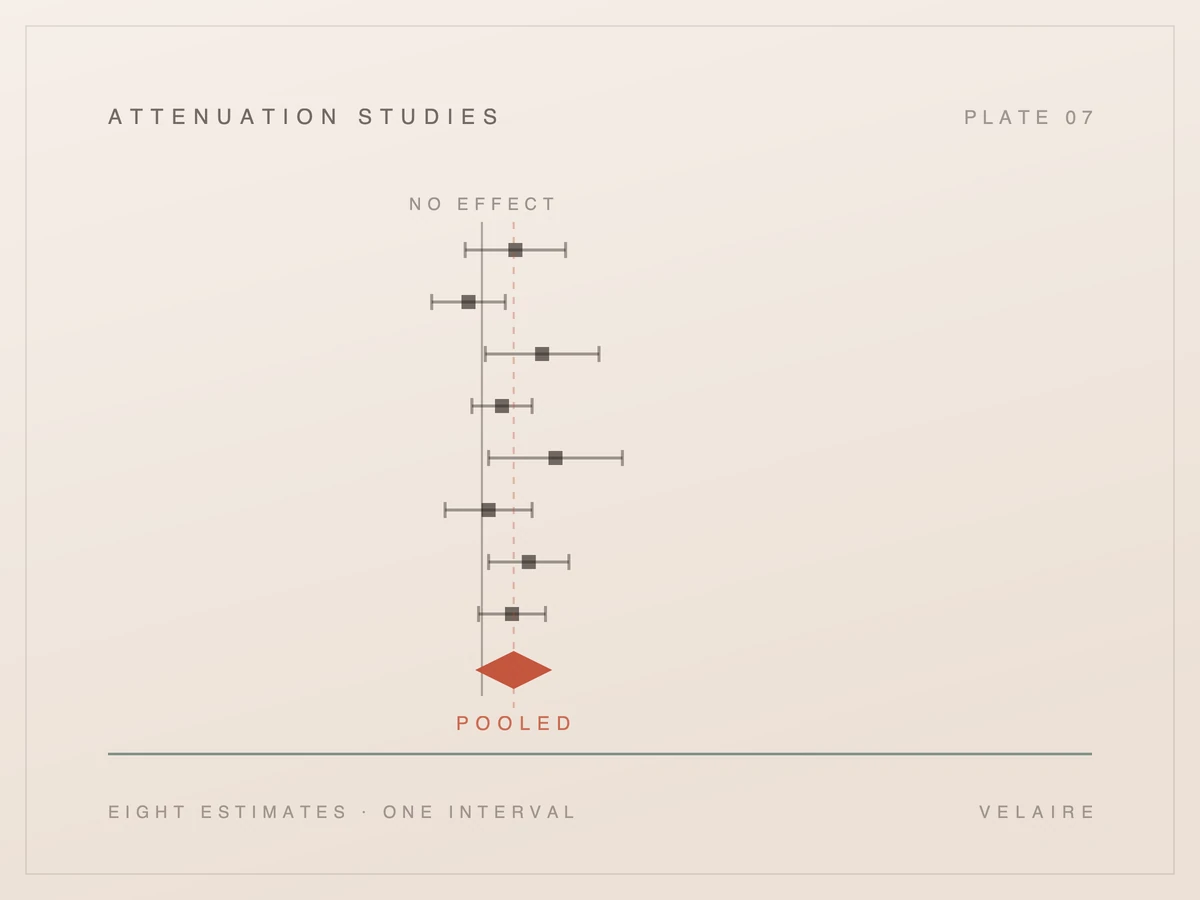
Reminders work. They work less dramatically than the marketing suggests, and the honest number is a 10.8 point improvement rather than the 14.6 point one everybody quotes. Here is what the trials found.
Compliance
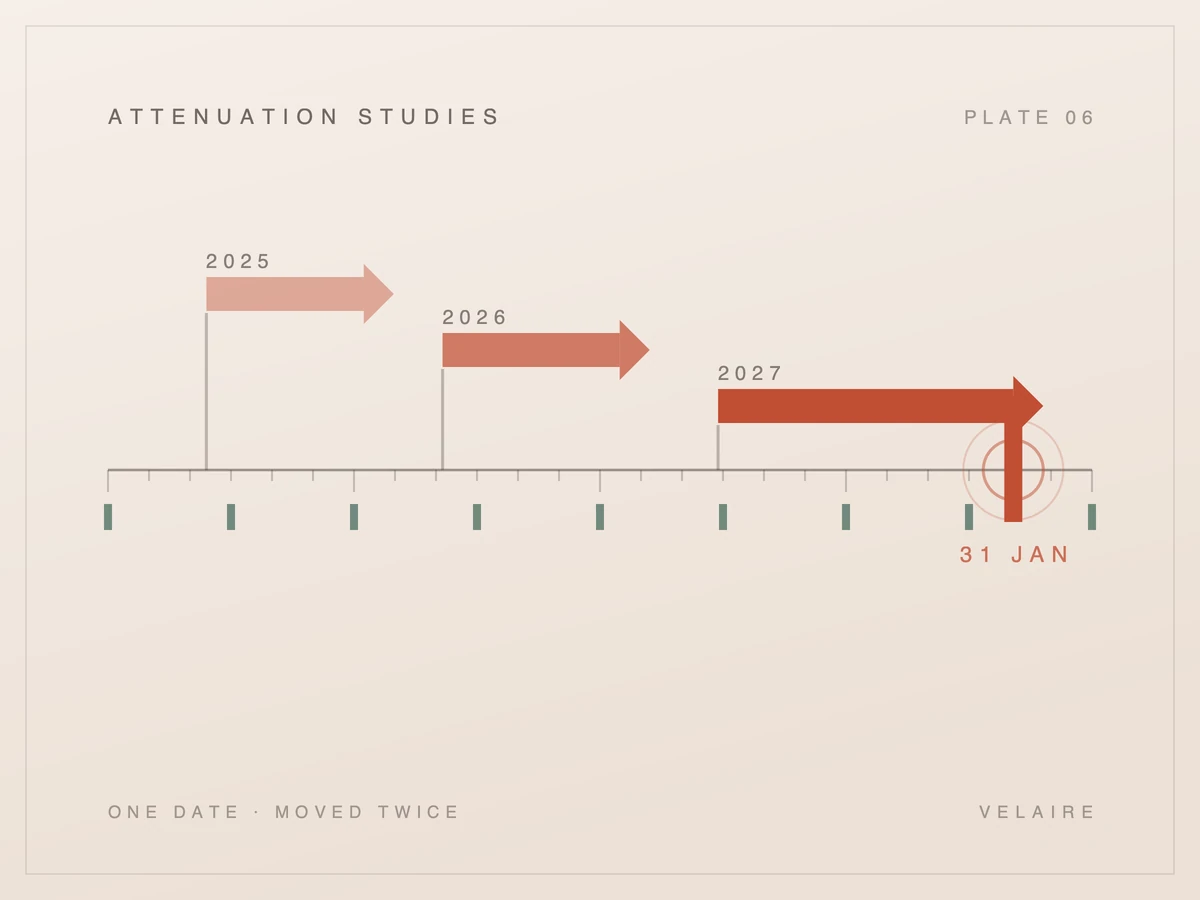
One rule has been delayed twice and is now scheduled for 31 January 2027. It changes what a patient opt-out means, and the practices that will struggle are the ones running texts from three different systems.
Practice economics
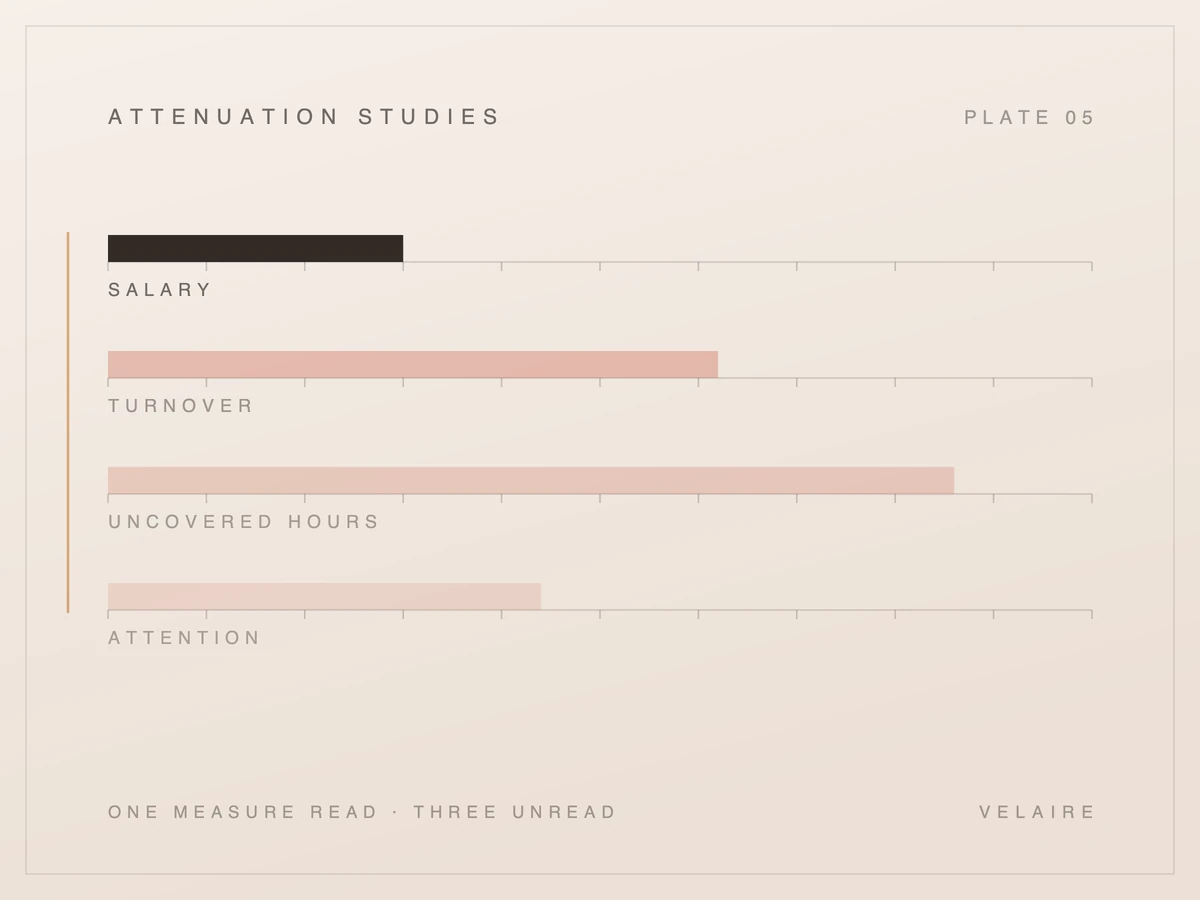
The salary is the number everyone quotes and the easiest one to find. Three others sit underneath it, and together they change what any coverage decision is really being compared against.
Buyer's guide
Both promise your phone gets answered when nobody is there to pick it up. They hand back very different things the next morning, and the gap is where the decision sits.
Front office
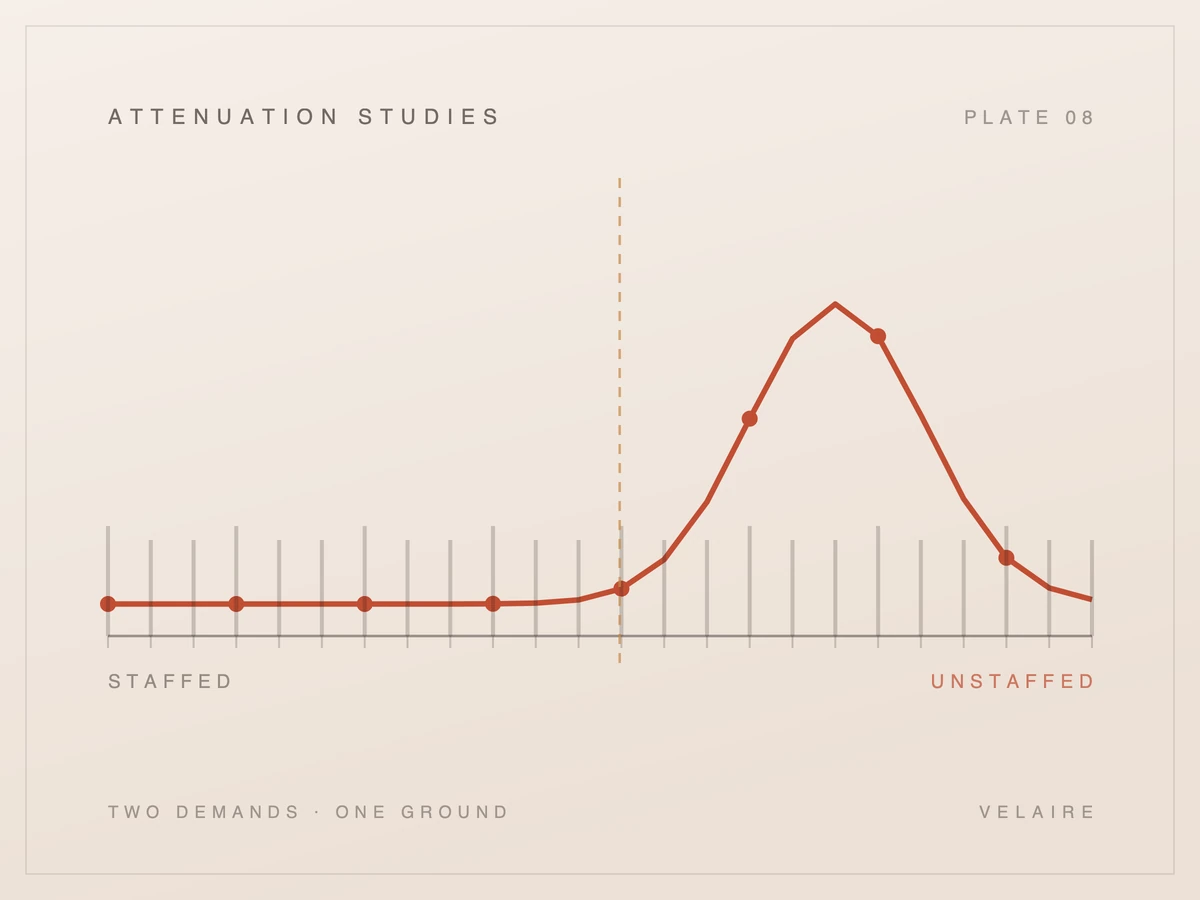
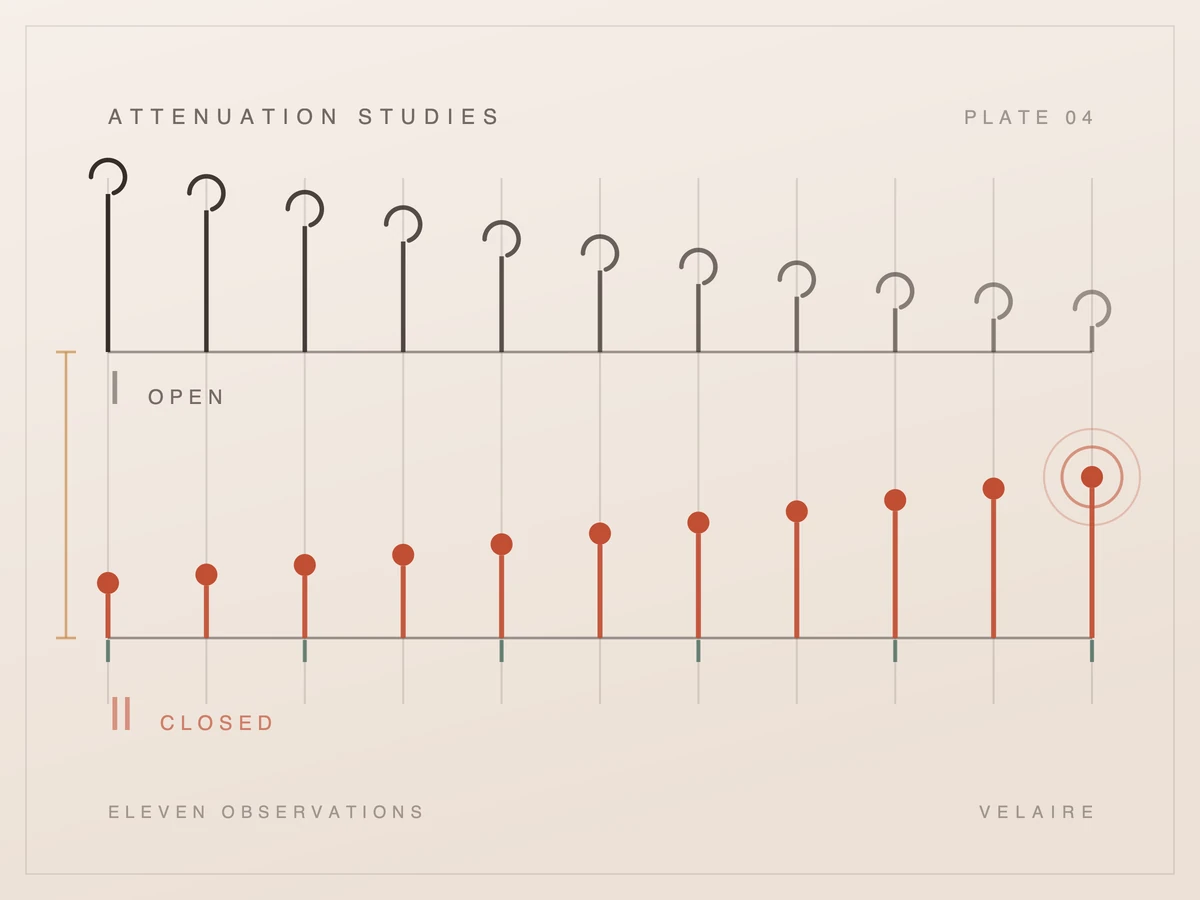
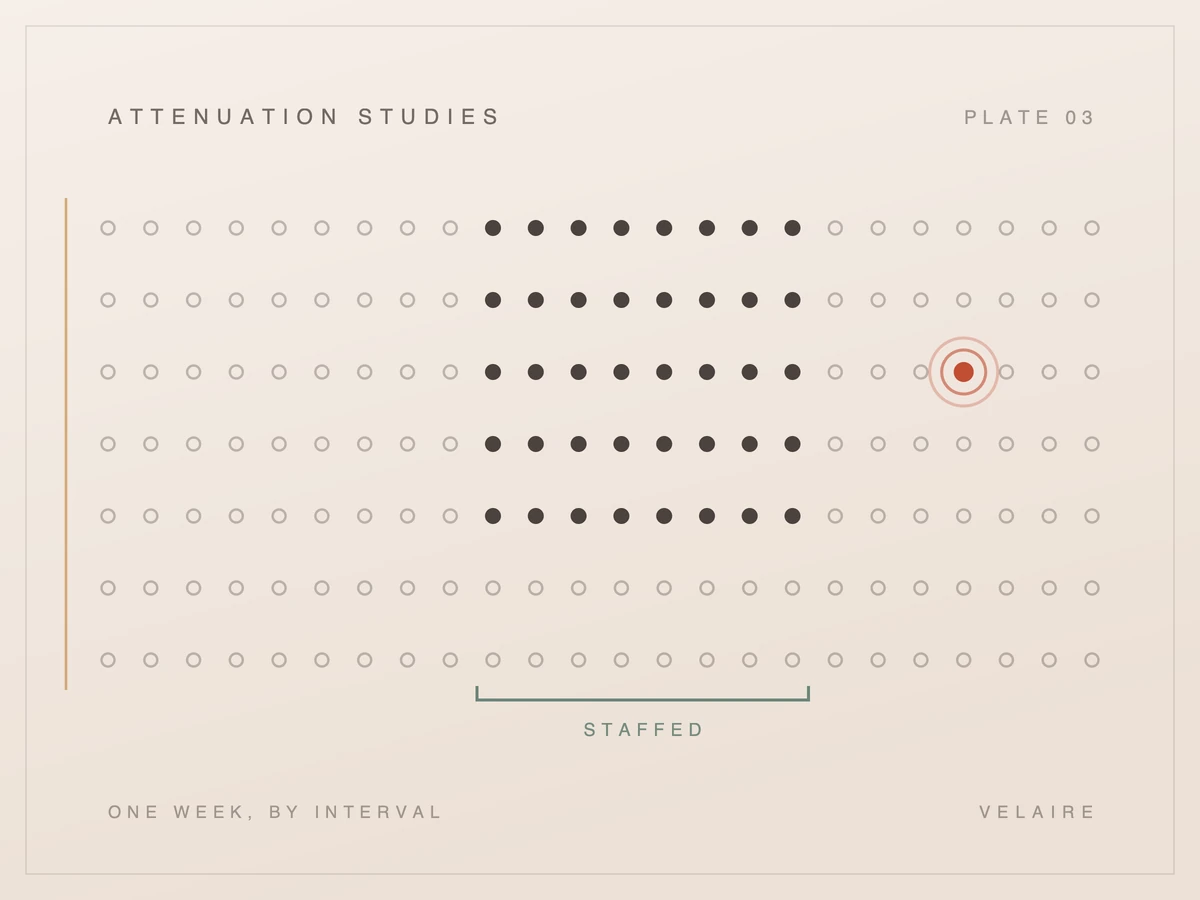
A missed call at 2pm and a missed call at 8pm are not the same problem. One is a delay you recover from. The other is usually just gone, and nobody is there to see it happen.
Buyer's guide
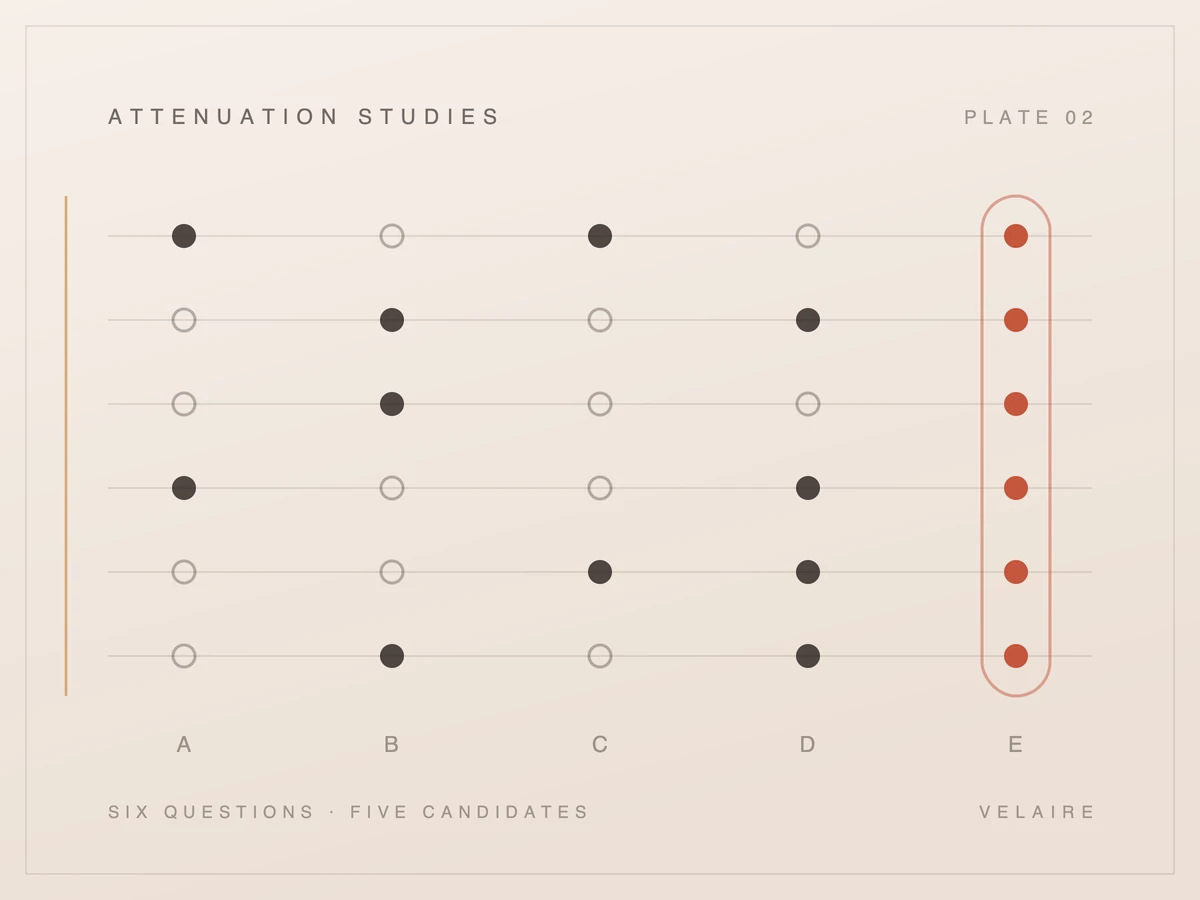
Most of these tools sound identical in a sales call. Here are the questions that actually separate them, and what a real answer sounds like when you ask each one.
Practice economics
Skip the vendor stat sheets. Four numbers you already have will tell you what a missed call is worth to your specific practice, and whether covering them is worth paying for.
See how Velaire would handle the calls your practice misses. A personal walkthrough, built around your questions.
Let’s talk about your practice