How Much Will It Cost? Good Faith Estimates and the Practice Phone
Under a federal rule, a self-pay caller's question about cost counts as a request for a written Good Faith Estimate. Here is what the phone must say, the deadlines, and what is still unsettled.
+ For an uninsured or self-pay caller, a question about cost counts as a request for a written Good Faith Estimate under 45 CFR 149.610.
+ The practice must tell self-pay callers orally that an estimate is available, while scheduling or whenever cost comes up, and deliver the estimate itself in writing.
+ The written estimate is due 1 to 3 business days after booking or request, and none is required for visits booked fewer than 3 business days ahead.
+ A bill at least $400 over the estimate lets the patient start a dispute within 120 calendar days for a $25 fee.
+ CMS has not said in writing how cosmetic self-pay services are treated and covers dental only by inference, so send both questions to counsel.
A new caller asks what the visit will cost. Your desk gives a number and offers Thursday. If that caller is paying out of pocket, a federal clock may have started during the call, and nobody said so.
A new caller asks about cost.
The desk answers in one breath.
If self-pay, the clock just started.
A cost question, answered in one breath.
A caller asks what a visit would cost. The desk answers in one breath and moves on to the schedule. When that caller is uninsured, or plans to pay without using insurance, federal rules treat the question as more than small talk.
This post covers what the rule says about the phone, the deadlines for the written estimate, the dispute numbers that give it teeth, and what CMS has and has not said as of October 2026. It is a plain overview for owners and office managers of US practices, not legal advice. The open questions go to your attorney, and each is flagged below.
When the caller is uninsured or paying without insurance, almost any cost question does. The rule tells providers to treat "any discussion or inquiry" about potential costs as a request for a Good Faith Estimate. The phone is where the process starts, not the billing office. Quoting a price and saying goodbye does not finish the job.
The text sits in 45 CFR 149.610(b)(1)(iv): a provider must "consider any discussion or inquiry regarding the potential costs of items or services under consideration as a request for a good faith estimate" [1]. CMS repeats it in plainer words in its June 2026 toolkit [3].
"Uninsured or self-pay" covers two groups. One has no qualifying coverage. The other has coverage but does not want a claim sent to it for this service [1]. So the practice has to ask whether the caller is enrolled in coverage and, if so, whether they plan to use it [1]. People enrolled in a federal program such as Medicare or Medicaid are not eligible for these estimates [3].
HHS says no specialty, facility type or site of service is exempt from the requirement [4]. The duty sits with the practice, whoever picks up.
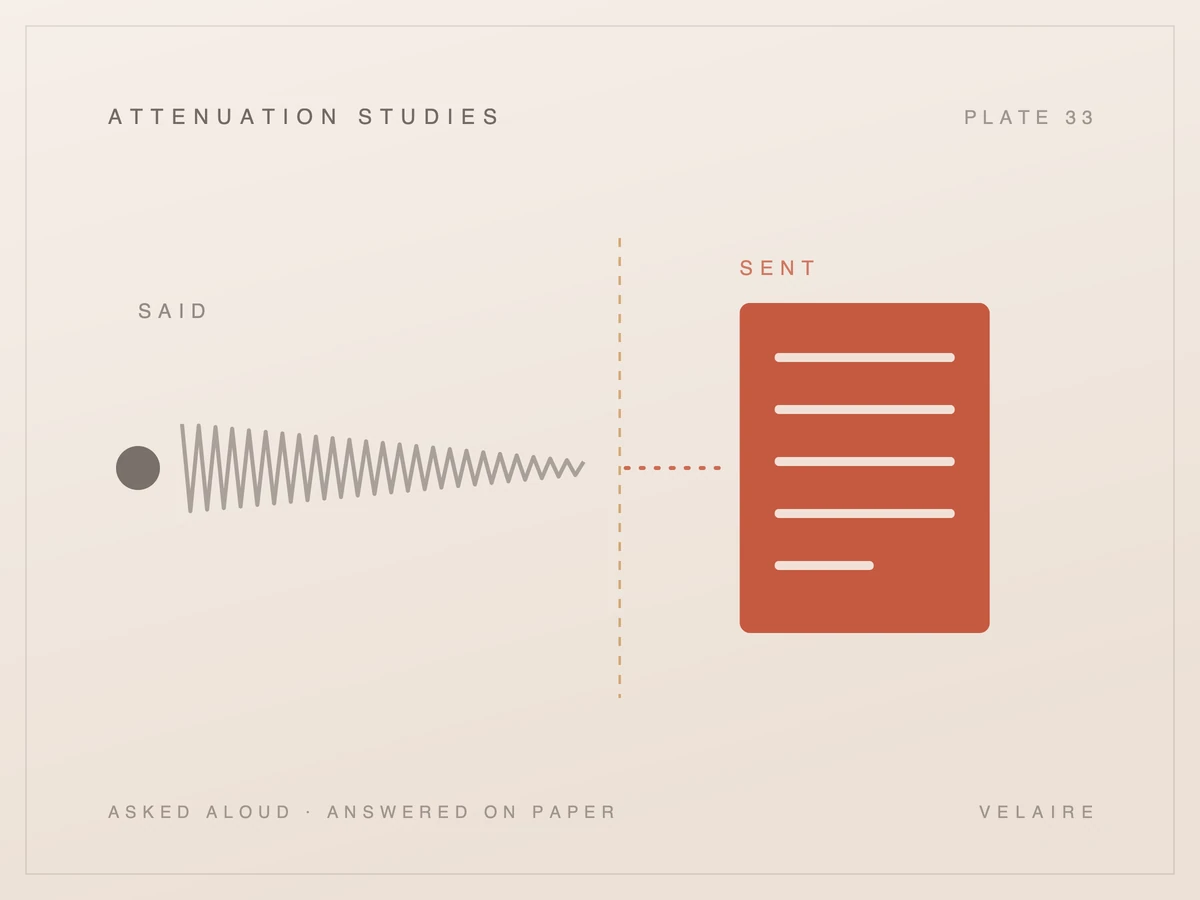
A price quoted on the phone is a conversation. The estimate is a document.
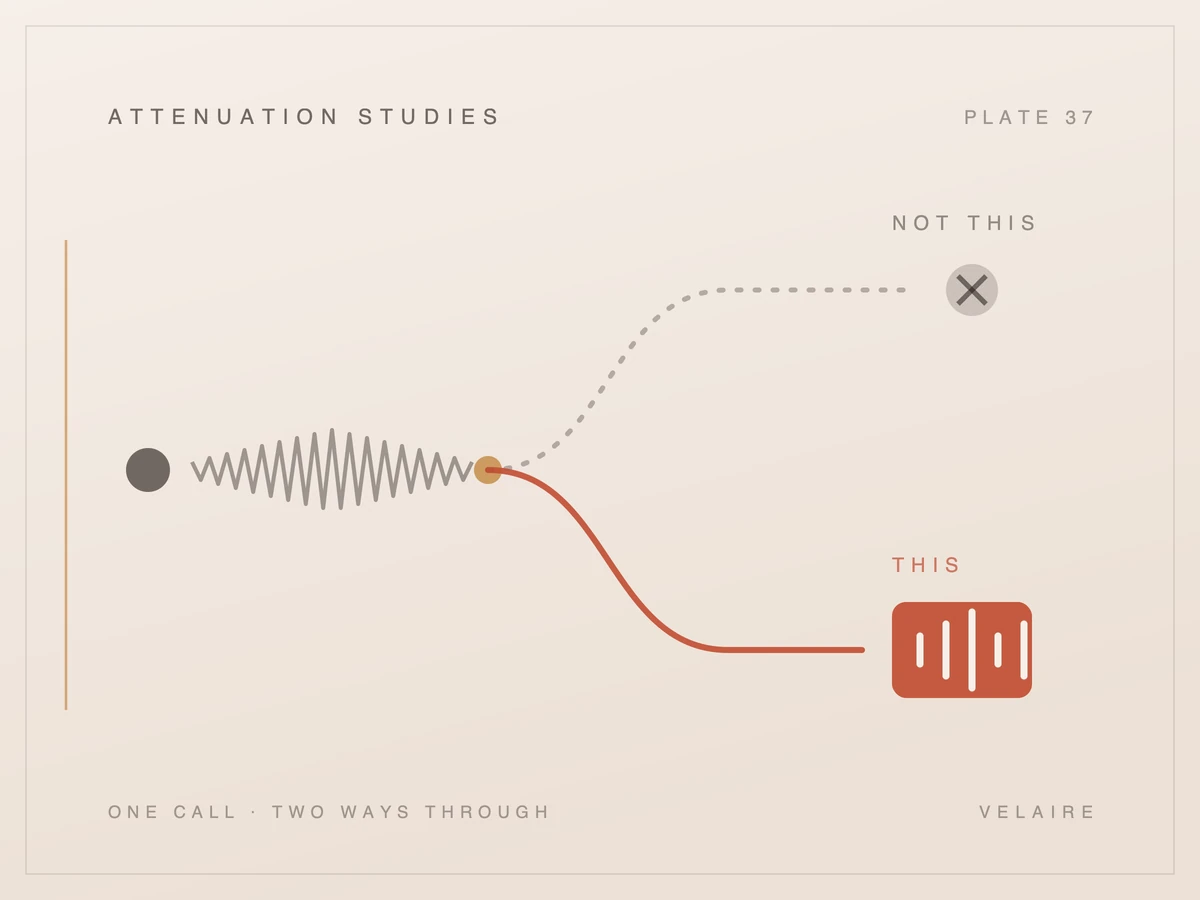
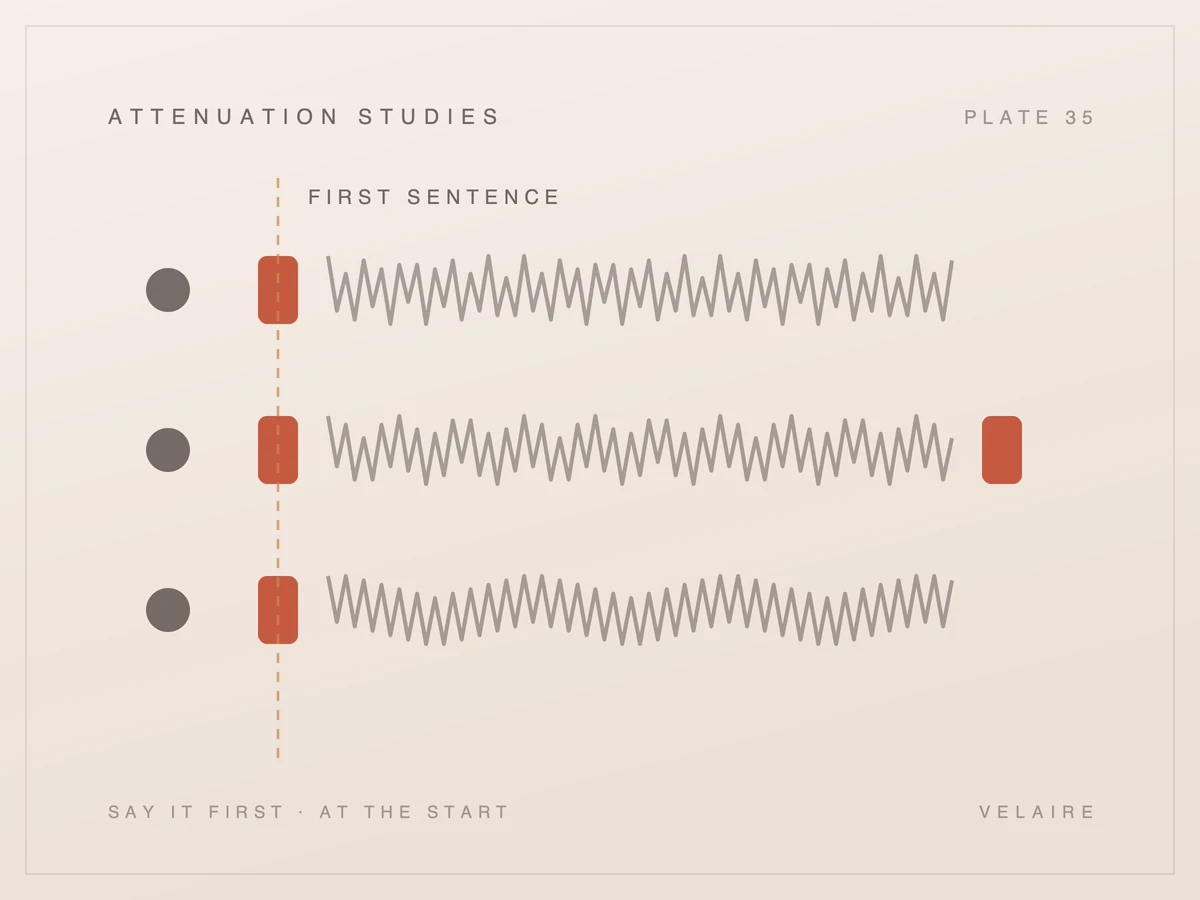
Two duties, kept apart. By voice, the practice must tell a self-pay caller that a Good Faith Estimate is available, whenever the caller schedules or asks about cost. In writing, the estimate itself must arrive on paper or electronically. A spoken answer can supplement the document, but it cannot replace it.
The oral duty is in 149.610(b)(1)(iii)(B): information about the availability of estimates must be "orally provided when scheduling an item or service or when questions about the cost of items or services occur" [1]. The same paragraph requires a written notice, easy to find through a public search engine, on your website, in the office and where scheduling or cost questions happen. It also requires accessible formats and the languages your callers speak [1].
The estimate has its own format rule. It must be written, in the delivery method the patient asks for, and an electronic copy must be one the patient can both save and print [1]. If a patient asks for it by phone, you may tell them the numbers aloud, but you still owe the written copy [1]. HHS and CMS both say the same [3][4].
The content is specific: the patient's name and date of birth, an itemized list of services with service codes and expected charges, the provider's name, NPI and tax ID, and required disclaimers [1]. A diagnosis code is only needed where one exists for the service [5]. A price read out on a call has none of this, so it is not an estimate.
An issued estimate becomes part of the patient's medical record, and you must give a patient a copy of any estimate issued in the last 6 years on request [1].
Said on the call, sent in writing
On the call
In writing
Job
Say an estimate is available
State the expected charges
Form
Spoken, by anyone who answers
Paper or electronic, saved and printed
Timing
While scheduling or on any cost question
1 to 3 business days
Detail
Not required to be itemized
Itemized with codes and provider IDs
The phone carries the notice. The paper carries the estimate.
The clock runs in business days and depends on how far ahead the visit is booked. A visit booked 3 to 9 business days out needs the estimate within 1 business day. One booked 10 or more business days out gets 3 business days. A plain request also gets 3. Inside 3 business days, none is required.
When it starts
Written estimate due
Caller asks for an estimate, no booking yet
No later than 3 business days after the request
Visit booked 3 to 9 business days ahead
No later than 1 business day after booking
Visit booked 10 or more business days ahead
No later than 3 business days after booking
Visit booked fewer than 3 business days ahead
Not required
Those bands come from the regulation as CMS restates it [1][3]. The regulation's own wording says "at least 3" and "at least 10" business days, so the ranges overlap on the page. CMS's toolkit reads them as 3 to 9 and 10 or more, and that is the reading used here [3]. If the plain text matters to a decision, ask counsel.
A few edges. If someone asked first and then books, a fresh estimate is due on the booking timeline [1]. If the scope changes before the visit, a new one is due no later than 1 business day before the service [1]. HHS confirms that same-day and walk-in visits do not trigger the scheduling duty [5][3].
One case the text does not settle for you is a caller who asks about price today and books for tomorrow. The booking falls under the 3-day floor, but the cost question was still a request. Put that to counsel before you write your policy.
Business days from the start of the clock to the written estimate: 3, 1 and 3.
The estimate becomes a reference point. If a patient's final bill from your practice is at least $400 above the total on the estimate, they can start a federal payment dispute. They have 120 calendar days from the initial bill, and they pay a $25 fee. The estimate, not your memory of the call, is what gets compared.
"Substantially in excess" is defined as billed charges at least $400 more than the total expected charges listed for that provider [2]. The patient's notice must be postmarked within 120 calendar days of receiving the initial bill [2]. CMS's June 2026 toolkit puts the administrative fee at $25, paid to the dispute resolution entity [3].
If that entity decides the patient owes less than the billed amount, the $25 is subtracted from what the patient owes [3]. While a dispute is open, the provider cannot send the disputed bill to collections and has to pause late fees [3]. There is also a cushion for honest mistakes: an error in an estimate made in good faith, and corrected as soon as practicable, is not by itself a failure to comply. But if the service was already delivered, the dispute route stays open [1].
The statute lets the Secretary of HHS apply a civil monetary penalty of up to $10,000 per violation to a provider [7]. That is the statutory figure. We did not check the current inflation-adjusted amount, so ask your attorney what the exposure is today.
The numbers behind the dispute process
$400
Over the estimate triggers the process
45 CFR 149.620
120 days
To start it, from the initial bill
Calendar days
$25
Fee the patient pays
CMS toolkit, June 2026
What a patient can do when a bill runs well over the written estimate.
Less than many owners hope. CMS has extended enforcement discretion on one piece only, the requirement to include charges from other providers and facilities. We found no announced pause on the oral notice, the written estimate or the deadlines. The June 2026 CMS toolkit still lists them as provider responsibilities.
The pause is in HHS's FAQ Part 3, dated December 2, 2022. HHS extended enforcement discretion "pending future rulemaking" where an estimate does not include expected charges from co-providers or co-facilities [6]. The June 2026 toolkit says the same thing: CMS "is not currently enforcing the co-providers or co-facilities requirement" [3].
For a practice where the whole visit happens in one place, that carve-out may change little, because there are few outside providers to add. It does not touch the phone duties.
Discretion is not repeal. The eCFR shows no amendment to either 149.610 or 149.620 since October 2021 [1][2], and other federal and state law still applies alongside them [1]. Treating a pause as a permit bets that it lasts.
Two questions, as far as we can find. CMS has not said in writing whether cosmetic self-pay services at a med spa fall under the rule. Dental offices look covered, but only by inference. Neither question has a stated answer, so both belong with your attorney before you rely on either reading.
The rule applies to a "health care provider," defined as a physician or other provider acting within the scope of their license or certification under state law [1]. That definition turns on licensing. The words cosmetic and aesthetic do not appear in the regulation or in the June 2026 toolkit. Whether a given med spa service, delivered by a given licensed provider under a given medical director arrangement, counts is a legal reading, not a published CMS position.
Dental is closer but still inferred. HHS uses "certain dental screenings or procedures" as an example when explaining which estimates need no diagnosis code [5]. Combined with the statement that no specialty is exempt [4], that suggests dental practices are in scope. No CMS document we found lists dentists as covered. Our post on how the med spa and dental phones differ covers the call patterns, not the legal reading.
Silence from CMS on your service is not an exemption. It is a question to send to your attorney.
Three more points for counsel. First, an estimate needs a name and date of birth, so ask what you owe a caller who gives neither. Second, state price-estimate laws can stack on top of the federal rule [1]. Third, if your desk or an agent quotes menu prices, ask how those quotes should relate to the written estimate that follows.
Giving the oral notice to every self-pay caller costs one sentence. Whether you must is a question for counsel.
Short, in a fixed order. Ask whether the caller will use insurance. Tell a self-pay caller that a written Good Faith Estimate is available. Say what you need to prepare it and when it will arrive. Log the request with a time. Do not present a spoken price as the estimate. Have counsel approve the exact words.
Here is a draft to adapt, with brackets for you to fill.
Ask: "Will you be using insurance for this visit, or paying on your own?"
Notice, for a self-pay answer: "Then you can get a written Good Faith Estimate of what [service] is expected to cost. [Practice name] will send it to you."
Collect: "To prepare it we need your full name and date of birth, and whether you would like it by email or by mail."
Timing: "You will have it within [number from your own table] business days."
Boundary: "Anything I say today on the phone is general. The written estimate is the document with your itemized expected charges."
Hand off: log the date, the time, the service and the delivery choice, and pass the request to the person who prepares estimates.
The notice also has to exist away from the phone: on your website, in the office, and at the front desk [1]. If you collect a name and date of birth for an estimate, remember that is not the same as confirming who is calling. Our post on verifying the caller covers that second job.
What every cost call should leave behind
✓The caller's answer on insurance or self-pay
✓A note that the oral notice was given
✓Name and date of birth for the estimate
✓Email or mail, as the caller prefers
✓The date and time of the request
✓A named person who prepares and sends the estimate
Whether staff or an agent takes the call, the record looks the same.
An automated agent can say the notice, ask the insurance question, collect the details and hand the request to your staff. It cannot produce the estimate, which needs your itemized services, codes, provider identifiers and expected charges in a written document. The practice issues the estimate and owns the deadline.
Velaire Health answers calls on your existing number. It says it is automated at the start of every call, and a caller can ask for a person at any point. It does not generate estimates, and it is not a compliance program. A caller with a clinical question is never booked and goes to your team.
Calls are recorded and transcribed. That gives you something your desk rarely has: a record of whether the notice was given, in what words, and when the clock started. Before you sign with any phone vendor, ask to hear a call in which a self-pay caller asks the price. Then read what your team received and compare it with your script.
The phone is the easy part. Someone still has to prepare the estimate, send it on time and keep a copy, so decide who that is before the first call comes in.
FAQs
Questions about this
For an uninsured or self-pay caller, yes, under the rule's wording. Providers must treat any discussion or inquiry about potential costs as a request. The practice must then tell the caller an estimate is available and deliver it in writing within 3 business days of the request. Whether a no-name price shopper is covered is a question for counsel.
You may tell the caller the figures aloud if they ask for it that way, but the estimate is not complete until a written copy goes out, on paper or electronically. An electronic copy must be saveable and printable. A price read out on a call lacks the itemized codes, provider identifiers and disclaimers the written estimate must carry.
A patient can start the federal dispute process when the bill is at least $400 more than the total on the Good Faith Estimate from that provider. The notice must be postmarked within 120 calendar days of the initial bill. The patient pays a $25 fee, which is subtracted from what they owe if the dispute entity sides with them.
CMS has not said in writing that cosmetic or med spa self-pay services are in or out, and no document we found names dentists. HHS says no specialty is exempt and uses a dental example elsewhere, so dental looks covered by inference. Both points should go to your attorney before you rely on a reading.
No. An automated agent can say the oral notice, ask whether the caller will use insurance, collect the details and pass the request to your staff. The written estimate needs your itemized services, codes, provider identifiers and expected charges, and the practice owns the deadline. Treat any claim that a vendor makes you compliant with caution.
Builds AI front-office systems for medical and aesthetic practices. Posts here start from published sources rather than vendor claims, and every number links back to where it came from.
Section 1557 asks covered practices to give callers with limited English a qualified interpreter, in writing and on the phone. Here is who is covered, what the rule says, and what a phone agent can and cannot do.
Federal law lets you record a call you are part of. Some states do not. Here is what the statutes and one California Supreme Court case say, what to say at the start of a call, and what to ask counsel.
No federal law makes a phone agent say it is an AI on a call you receive. A few states do, in different ways. This post reads the statute text for California, Utah, Texas and Colorado, plus the FCC proposal.
HIPAA says a practice must verify who is calling before it discloses patient information, and leaves the method to you. Here is how to write that method down, for staff and for a phone agent.
When a US practice needs a business associate agreement with an AI phone agent vendor, what the agreement must cover under HIPAA, and what to request before call data flows.
Six situations that happen weekly at every practice, what the rule actually permits in each, and why the answer is usually more permissive than staff assume and stricter than callers expect.
The plain-language explainer: what it does, what it deliberately doesn't, and how it compares with voicemail, an answering service, a phone tree, and hiring.