Verify the Caller: Identity Checks on the Practice Phone
HIPAA says a practice must verify who is calling before it discloses patient information, and leaves the method to you. Here is how to write that method down, for staff and for a phone agent.
+ HIPAA requires you to verify an unknown caller's identity and authority before disclosing patient information, but leaves the method to the practice.
+ Family and friends involved in care fall under a narrower rule that needs no proof of identity and covers only what is relevant to their role.
+ Names, dates of birth and the last four of a Social Security number circulate in breach data, so they filter callers rather than prove identity.
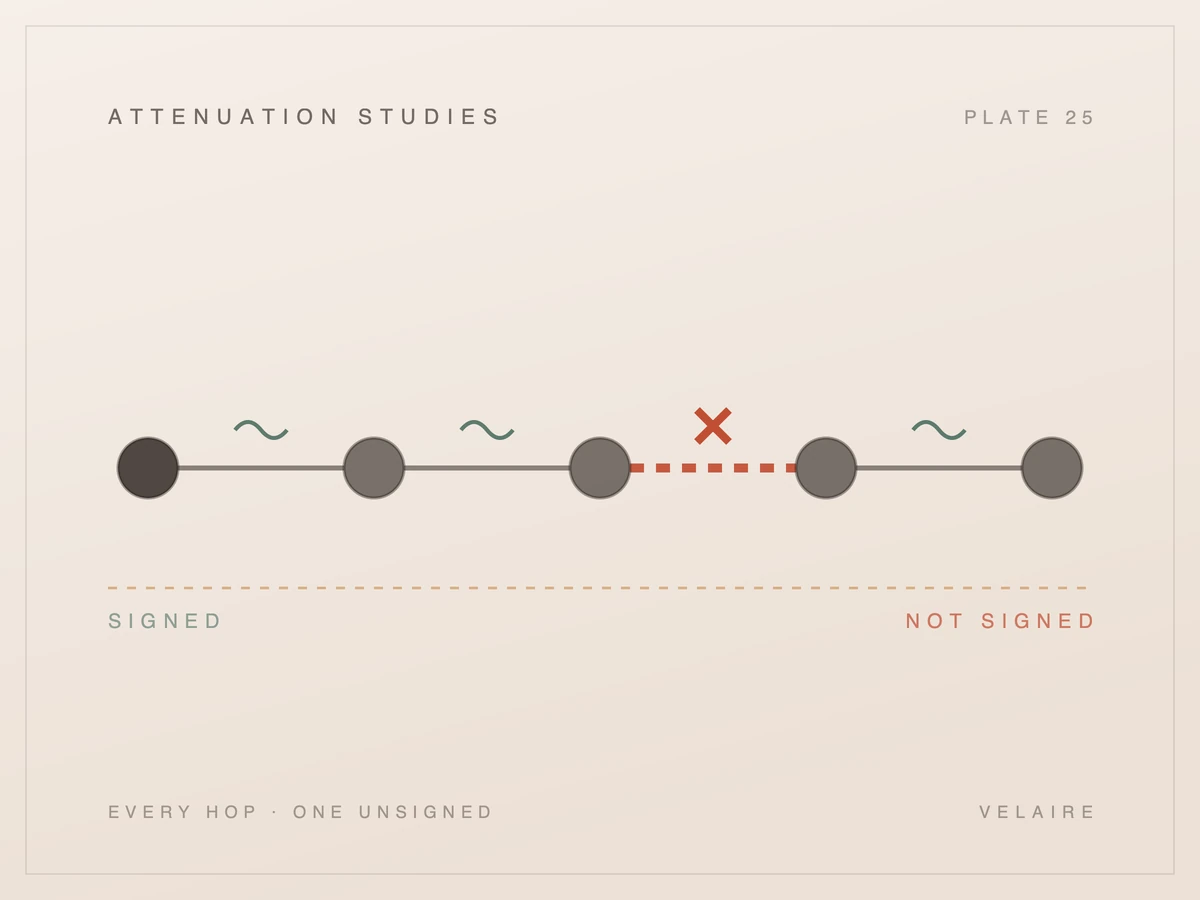
+ Changes to contact or payment details should need a call back to the number already on file, never the number the caller offers.
+ A phone agent can apply the written rule consistently, but only the rule it is given, so write the tiers down and test them.
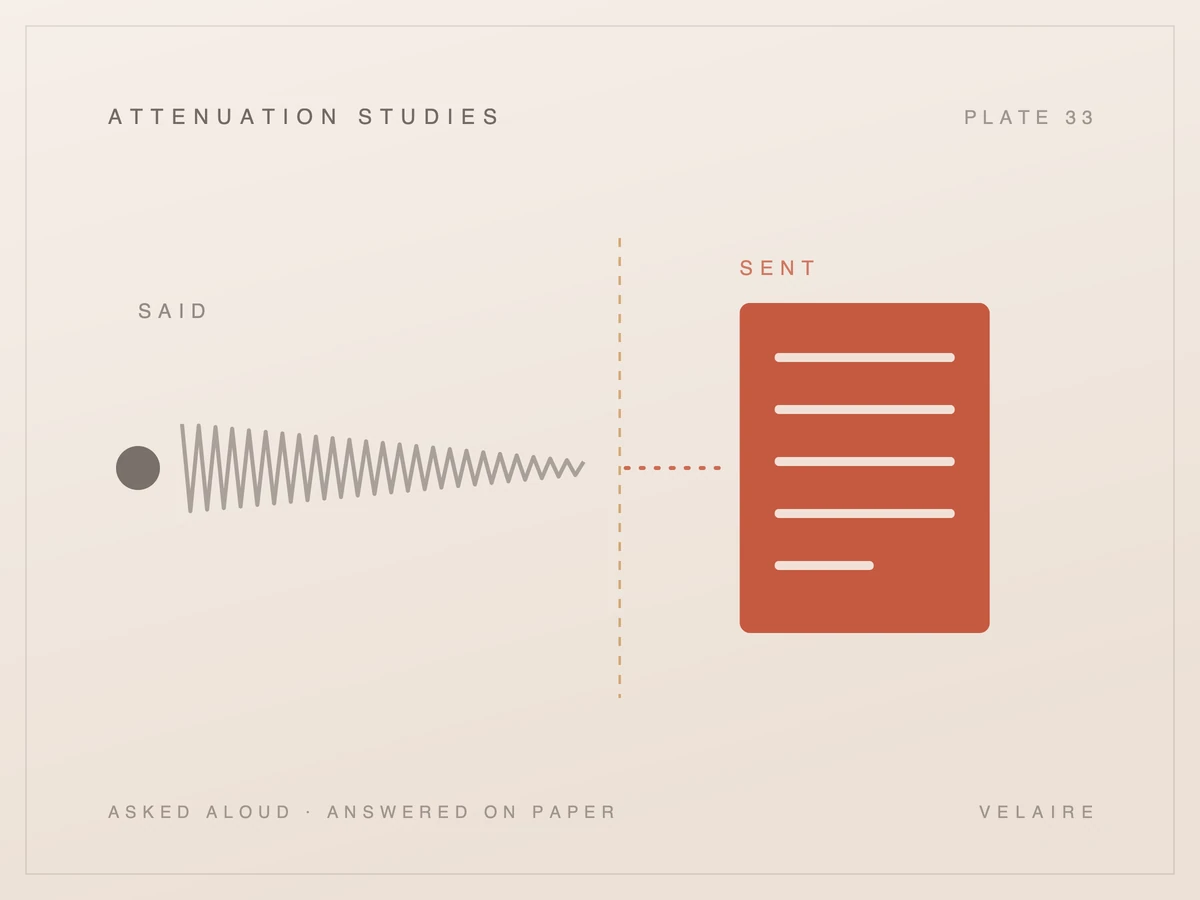
A caller gives a patient's name and date of birth and asks to move the appointment, or to change the phone number on file. Everything sounds right. The question is what your front desk actually checked.
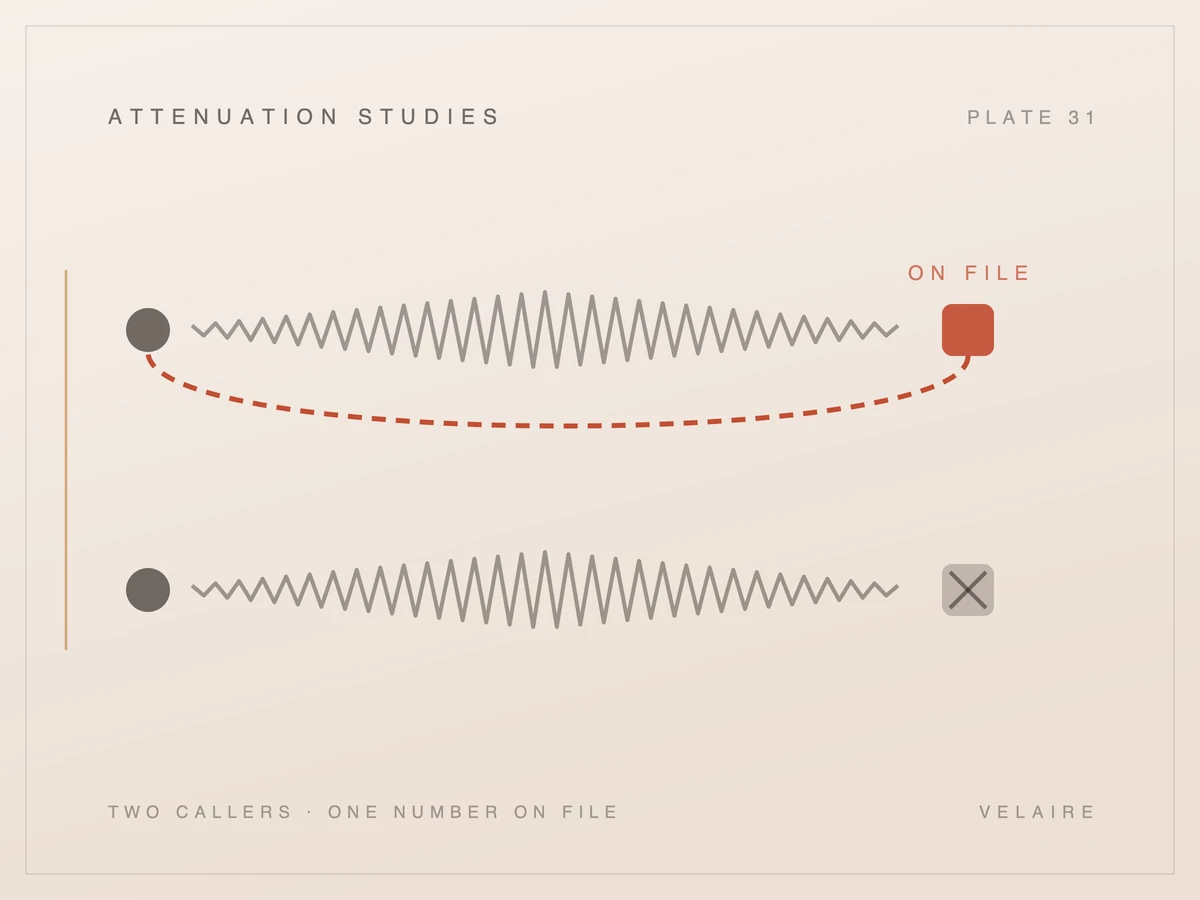
Monday, the patient calls.
Tuesday, someone else calls.
Only one of them was the patient.
Two calls that sound exactly the same.
Every practice phone gets the same call a few times a week. Someone gives a name, a date of birth and a reason, and asks for something: the time of a visit, a change to the cell number on file, a balance, a copy of a form. Most of those callers are exactly who they say they are. The hard part is that the ones who are not sound the same.
This post covers what HIPAA requires when you do not know who is on the line, why the usual questions are weaker than they look, and how to write a rule that both your staff and a phone agent can follow. It is a plain overview for owners and office managers of US practices, not legal advice.
HIPAA requires a practice to verify the identity of anyone asking for patient information, and their authority to have it, when that person is not already known to you. It does not say how. The method is the practice's to choose, so the practice has to decide it, write it down and apply it the same way every time.
The rule sits in the Privacy Rule at 45 CFR 164.514(h). Before a permitted disclosure, a covered entity must "verify the identity of a person requesting protected health information and the authority of any such person" if either is not known [1]. The same section says the requirement is met when you rely on professional judgment for the narrower family and friends disclosures [1].
HHS has said plainly that the rule "generally does not include specific or technical verification requirements," and that verification can in most cases be oral or written [4]. There is no mandated script, no required number of identifiers and no approved list of questions.
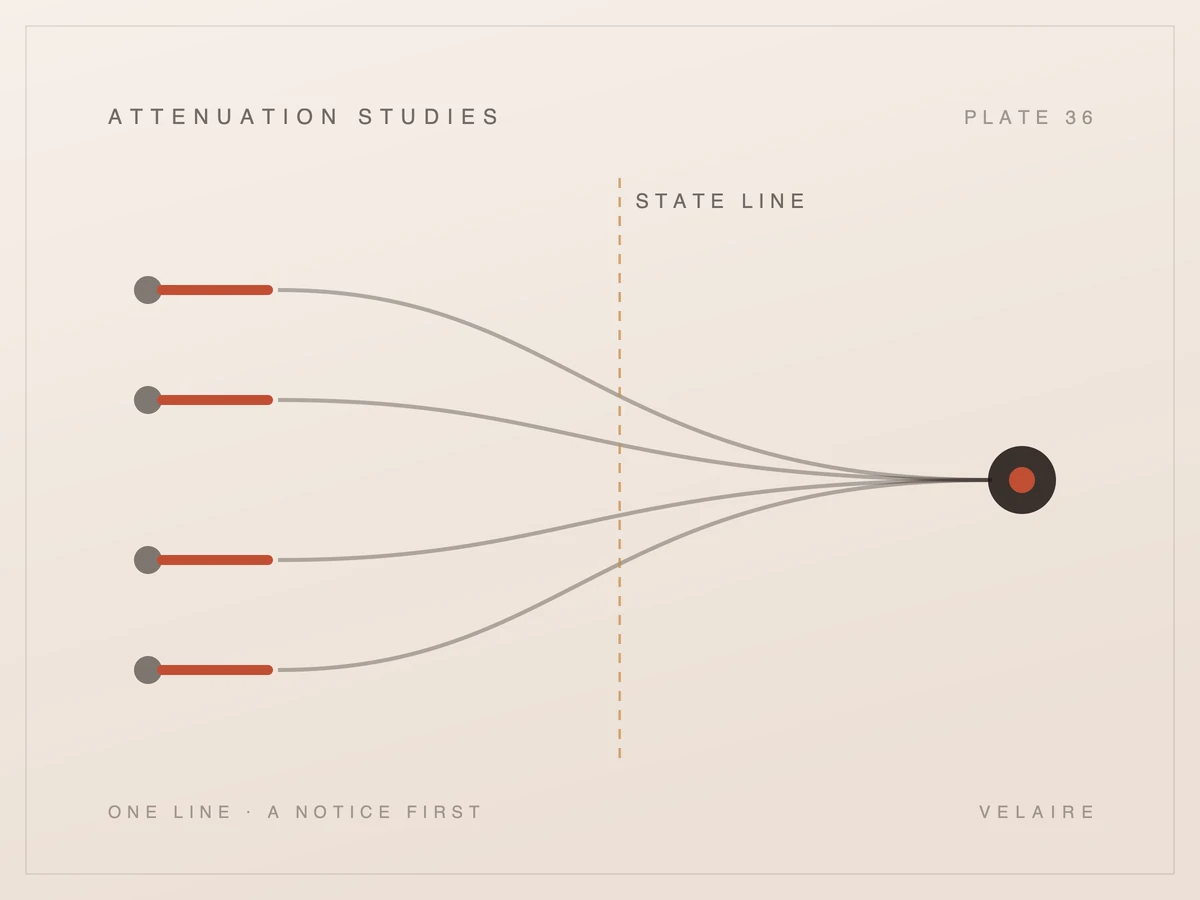
HIPAA tells you to verify the caller. It leaves the how to you, so the how has to be written down.
That flexibility is useful, because a dental office and a med spa get different calls. It is also a gap. A rule that lives in one experienced receptionist's head is not a rule. It goes home when they do.
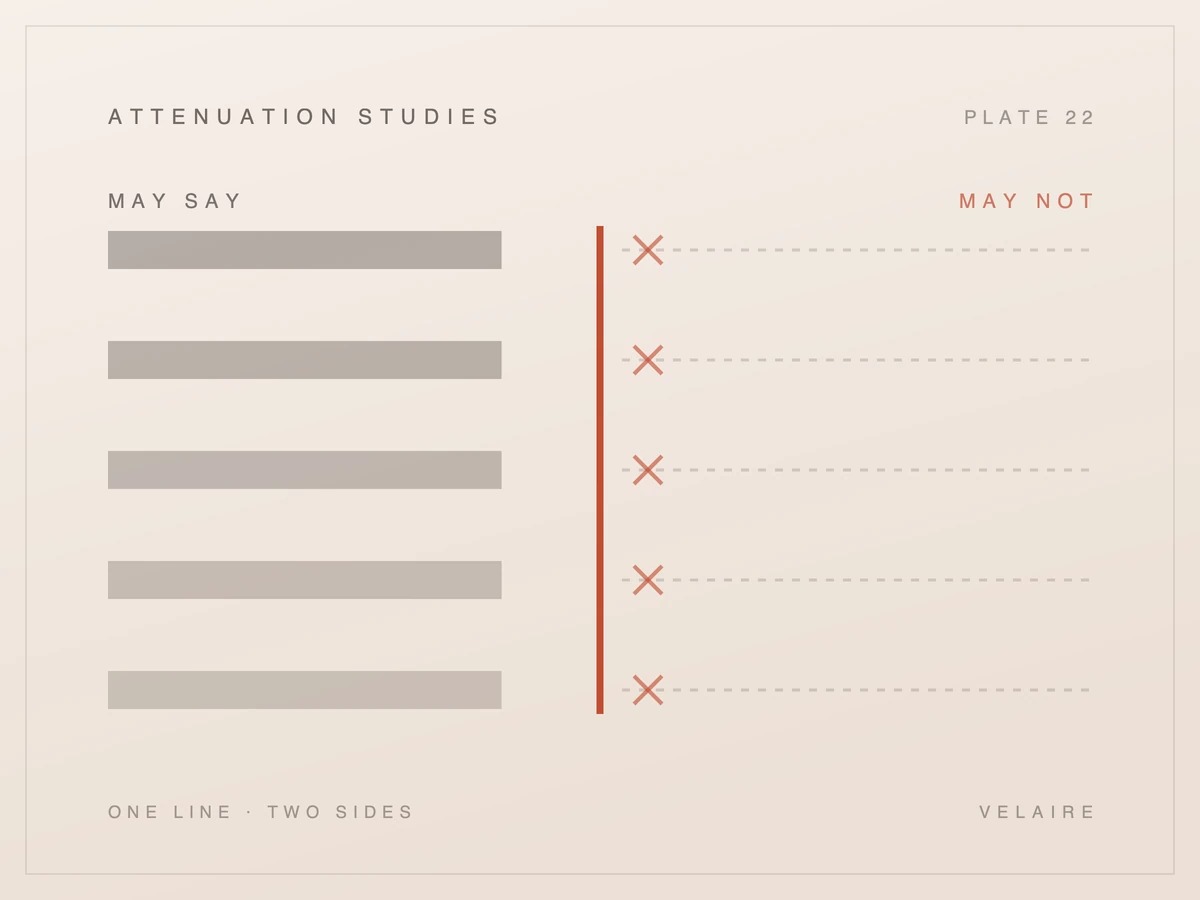
Family and friends involved in a patient's care fall under a separate, looser standard. HIPAA lets you share what is directly relevant to their involvement, using professional judgment, and does not require proof of identity. That exception is narrow. It covers a spouse confirming a pickup time, not a stranger changing account details or asking for records.
The family and friends provision is 45 CFR 164.510(b). A provider may share with a family member, friend or other person the patient identifies only the information "directly relevant to such person's involvement" in the patient's care or payment [2]. If the patient is present or reachable, you get their agreement, give them a chance to object, or reasonably infer they would not [2].
HHS addressed the phone version of this directly. If a caller says they are a family member or friend involved in care, "HIPAA doesn't require proof of identity in this case," but a provider "may establish his or her own rules for verifying who is on the phone" [3]. For someone who is not a family member or friend, HHS says the provider must be reasonably sure the patient asked that person to be involved [3].
Two limits matter in practice. The exception is about what is relevant to the person's role, so a daughter arranging a ride does not need the diagnosis. And it does not reach account changes, payment details or records requests, which need the full check. State law can be stricter, especially for minors and mental health, so put those cases to your counsel.
Our post on what your front desk may say covers messages and overheard conversations, which follow the same logic.
Because the people most likely to misuse them already have them. Names, dates of birth, addresses and even the last four digits of a Social Security number circulate in breach data, and federal alerts describe callers using exactly those details to pass phone checks. A question anyone with a stolen file can answer is a filter, not proof.
What each check actually proves
The caller tells you
The practice already has
Identity
Name and date of birth
The chart those must match
Contact
A callback number they offer
The number on file
Voice
Sounds like the patient
A call you placed yourself
Urgency
Too busy for a call back
A rule that does not bend
A detail the caller supplies can be stolen. A number the practice already holds cannot be chosen by the caller.
In April 2024 the HHS Health Sector Cybersecurity Coordination Center warned about callers targeting healthcare IT help desks [5]. The caller claimed to work in a financial role, said their phone was broken so they could not receive login codes, and supplied the last four digits of a Social Security number and a corporate ID. The help desk enrolled a new device, and the attacker used the access to redirect payments [5].
A joint FBI and HHS advisory in June 2024 described the same pattern and named the source of the answers: personal details "obtained from data breaches, enabling the threat actor to confirm the targeted employees' identity over the phone" [6]. Those alerts are about staff impersonation at the IT help desk, not patient calls. But the weak point is the one most front desks lean on: a caller who knows the right answers.
There is no shortage of stolen answers. HHS reported 663 breaches affecting 500 or more people that occurred in 2024, touching about 242.9 million individual records, and hacking or IT incidents made up 81% of them [9]. In the same report, OCR listed person or entity authentication among the Security Rule areas most in need of improvement [9].
Large health data breaches in 2024
663
Breaches of 500 or more people
HHS OCR, 2024
242.9M
Individual records affected
Approximate, HHS OCR
81%
Caused by hacking or IT incidents
Share of the 663
Breaches of 500 or more people that occurred in 2024, from the HHS report to Congress.
A familiar voice is no longer evidence. Federal agencies now warn that a short recording is enough to imitate someone, and that a cloned voice can be paired with a spoofed number. The practical answer is the same one they give: hang up and call back on a number you already have on file, not the one the caller offers.
HHS's Office for Civil Rights put it in a healthcare context in its October 2024 cybersecurity newsletter. "Combining a simulated voice with a spoofed phone number," it said, an attacker could convincingly imitate an executive asking the help desk for a password reset [7]. Its advice was to ask questions that only the real person could answer and, if still unsure, to "disconnect and call the person back" using numbers known to be correct [7]. The same newsletter reports that large breaches from hacking or IT incidents rose 89% between 2019 and 2023 [7].
The FTC gives consumers the same instruction for voice cloning scams: call the person back "using a phone number you know is theirs" and verify the story [10]. The FBI counted 22,364 complaints mentioning AI in its 2025 Internet Crime Report, with reported losses above $893 million [8]. Those are complaints reported to the FBI across every sector, not incidents at practices, but they show the tools are in ordinary use.
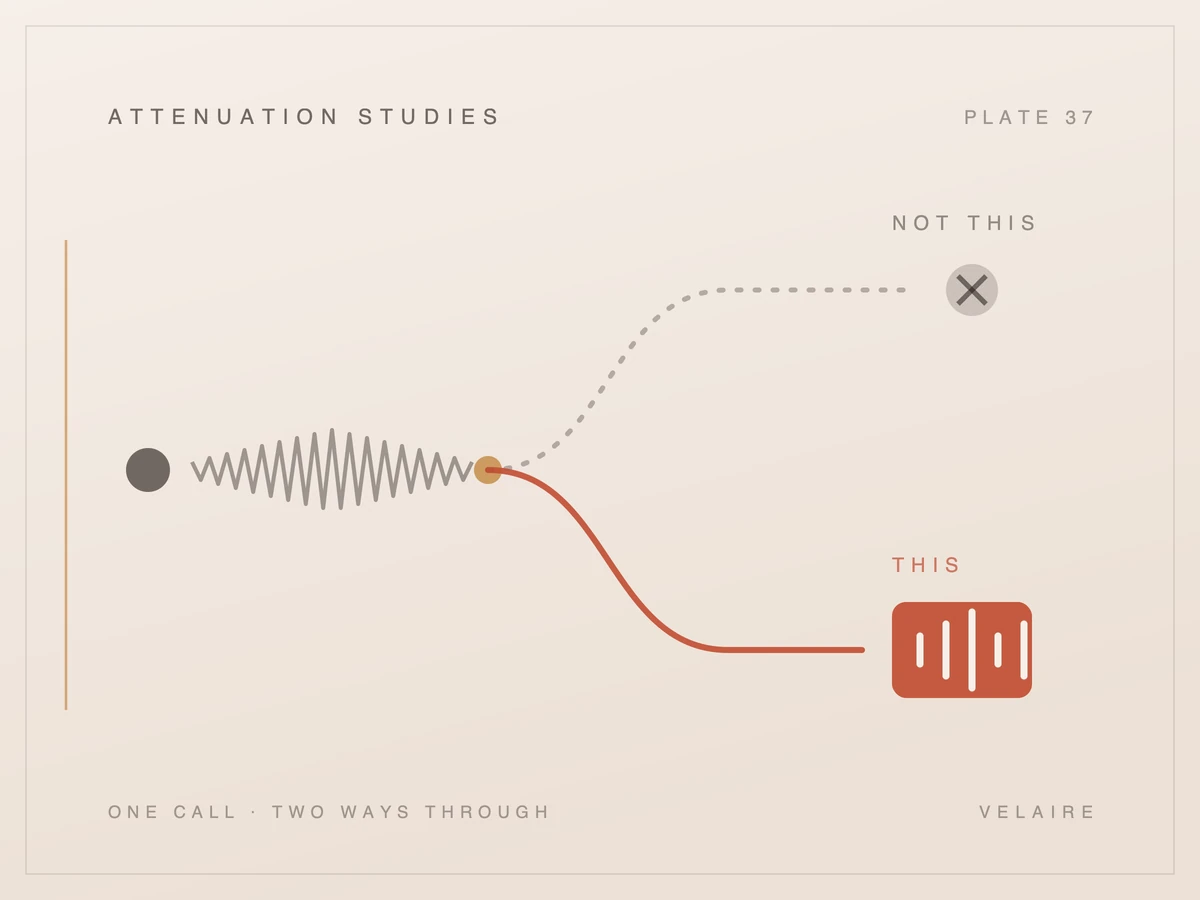
The number on file is your best verification tool, because the caller cannot choose it.
Sort requests by what a mistake would cost, and set a check for each tier. Confirming an appointment the caller already knows about is low risk. Changing the cell number, email or payment details is high risk, because it hands future messages and money to whoever asked. Reading out balances sits in between.
A simple version has three tiers. Use it as a starting point and adjust the checks to your patient mix.
Request
What a mistake gives away
Check before acting
Confirm, move or cancel an existing appointment
The visit time, which the caller may already know
Name plus date of birth, matched to the chart, and never say a patient exists until both match
Read out a balance, results status or form details
Health and financial details
The basic check plus one detail not on a bill or card, such as the last visit type
Change phone number, email, address or payment method
Every future message and payment
Call back on the number already on file, or the patient in person; never the number offered
Records requests, access for a new person, portal resets
The whole record, or control of it
Hand to a named staff member; a written request where your policy requires one
The last two rows are where the help desk attacks did their damage: a changed device and changed payment details [5]. Neither can be undone by apologizing on the next call.
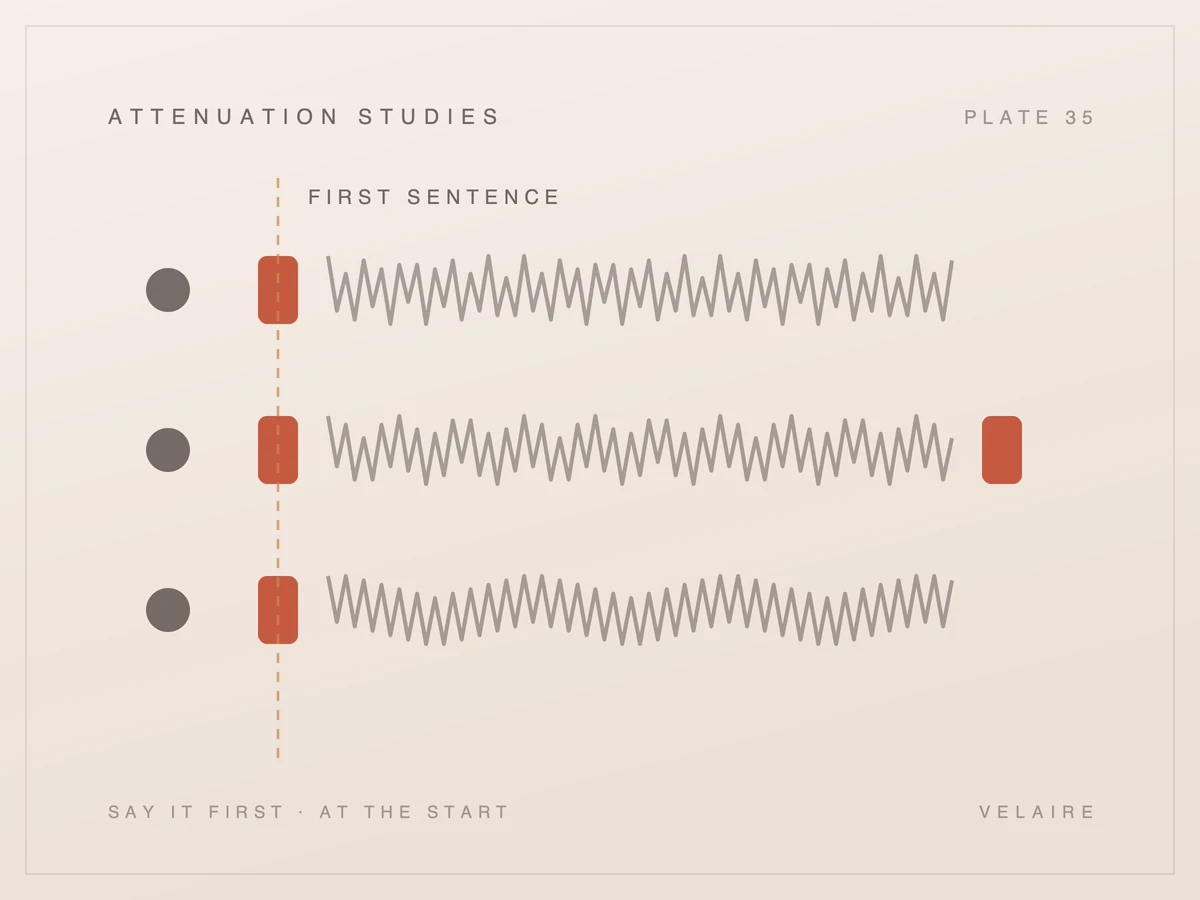
One habit protects every tier. Do not confirm that someone is a patient before the caller has passed the check. "I don't see anyone by that name" and "her appointment is at 3" both answer the question.
The more a mistake would give away, the stronger the check before acting on the call.
The same thing a careful receptionist does, written as a rule rather than left to instinct. An agent can run the basic check for appointment requests and refuse anything above it, handing those calls to a person. What it should never do is reset access, change contact or payment details, or read records to a caller it has not verified.
An AI phone agent has two advantages here. It applies the written rule the same way on the hundredth call as the first, and it does not feel the social pressure that makes a person bend a rule for a caller who sounds rushed. The HHS alert warned that attackers may claim to be too busy to take a call back [5]. A system has no reason to be moved by that.
It also has a limit. An agent can only enforce the checks it has been given. If the rule is vague, the agent is vague. So the work is the same as for staff: write the tiers, the checks and the handoffs, then test them.
Velaire Health answers calls 24/7, says it is automated at the start of every call, and books appointments on the calendar it keeps for the practice. A caller with a clinical question is never booked and goes to your team. Calls are recorded and transcribed, so you can review what was asked and what was done. Ask any vendor, us included, to show you exactly which requests the agent will act on and which it hands to a person, and to play you a call where the check fails.
Because a phone agent handles patient information, it also needs a business associate agreement. Our post on whether you need a BAA for a phone agent covers what that agreement has to say.
Put these in the written rule
✓Which requests each tier covers, in plain words
✓The check required for each tier
✓That nobody confirms a person is a patient before the check passes
✓Which requests always go to a named staff member
✓That changes to contact or payment details need a call back to the number on file
✓Who to tell when a check is beaten
The same rule for staff and for a phone agent, so neither has to improvise.
Call your own line and try to break it. Ask for an appointment time with only a name. Ask to change the cell number with a convincing story. Say you are a spouse and ask for results. Then read the transcripts or ask staff what they did. A rule that has never been tested is a guess about behavior.
Run the tests at different times, because the check that holds at 10 in the morning is the one that slips at 4:55 on a Friday. Include the calls your team finds awkward: the caller who is angry, the one who says the patient is standing next to them, the one who claims to be from another clinic.
Write down what counts as a pass for each test, so the result is not a matter of opinion. "Refused to read the balance and offered a call back to the number on file" is a pass. "Read the balance because the caller knew the address" is not.
If a check is ever beaten, treat it as a possible breach and talk to your privacy officer and counsel. HIPAA's breach notification rule gives covered entities up to 60 days from discovery to notify affected individuals, and the clock starts when the breach is known, not when it is convenient [9].
The rule itself fits on one page. The test calls are what tell you whether anyone follows it.
FAQs
Questions about this
No. The Privacy Rule requires you to verify the identity and authority of a person asking for patient information when you do not know them, but HHS says it does not set specific or technical verification requirements. Verification can usually be oral. The practice chooses the method, so it should be written down and used the same way on every call.
Not under HIPAA, if the caller is a family member or friend involved in the patient's care. HHS says proof of identity is not required in that case, though you may set your own rules. You can share only what is directly relevant to their involvement, such as a pickup time, and state law may be stricter for minors and some health records.
For low-risk requests, such as confirming an appointment the caller already knows about, it may be a reasonable minimum. It is weak proof, because those details appear in breach data. Federal alerts describe callers passing phone checks with stolen details. For changes to contact or payment information, call back on the number already on file.
It can apply a written verification rule consistently, and it does not bend that rule for a caller who sounds rushed. It can only enforce the checks it has been given, so the rule has to exist first. Higher-risk requests, such as changing contact details or resetting access, should go to a person who can call the patient back.
Treat it as a possible breach. Tell your privacy officer, record what was disclosed or changed, and reverse any changes to contact or payment details. Talk to counsel about whether notification is required. Under HIPAA, covered entities have up to 60 days from discovering a breach to notify affected individuals, so do not wait to start.
Builds AI front-office systems for medical and aesthetic practices. Posts here start from published sources rather than vendor claims, and every number links back to where it came from.
Section 1557 asks covered practices to give callers with limited English a qualified interpreter, in writing and on the phone. Here is who is covered, what the rule says, and what a phone agent can and cannot do.
Federal law lets you record a call you are part of. Some states do not. Here is what the statutes and one California Supreme Court case say, what to say at the start of a call, and what to ask counsel.
No federal law makes a phone agent say it is an AI on a call you receive. A few states do, in different ways. This post reads the statute text for California, Utah, Texas and Colorado, plus the FCC proposal.
Under a federal rule, a self-pay caller's question about cost counts as a request for a written Good Faith Estimate. Here is what the phone must say, the deadlines, and what is still unsettled.
When a US practice needs a business associate agreement with an AI phone agent vendor, what the agreement must cover under HIPAA, and what to request before call data flows.
Six situations that happen weekly at every practice, what the rule actually permits in each, and why the answer is usually more permissive than staff assume and stricter than callers expect.
The plain-language explainer: what it does, what it deliberately doesn't, and how it compares with voicemail, an answering service, a phone tree, and hiring.