Why Patients Ignore Your Callbacks: Spam Labels and Blocking
Most adults let unknown numbers ring. Add spam labels, carrier blocking and call authentication, and a callback can fail before anyone hears it. Here is what the rules say and what a practice can control.
+ In a 2020 Pew survey, eight in ten US adults said they do not generally answer unknown numbers, and 67% check a voicemail if one is left.
+ STIR/SHAKEN tells a receiving carrier how well the calling carrier knows you; it does not say who you are or whether the call is wanted.
+ A carrier that blocks calls must offer a free point of contact for errors and a status update within 24 hours, but that contact belongs to the patient's carrier.
+ The FCC declined in 2020 to require any redress for spam labels, and the free registry's own terms say registration guarantees nothing.
+ A call answered the first time never needs a return trip, so cover your missed inbound calls first and treat texting as a separate consent question.
You return a missed call and it rings out. The patient may be at work, may have screened it, or may never have seen it ring. Federal rules explain more of that than you might expect, and give less recourse than you would hope.
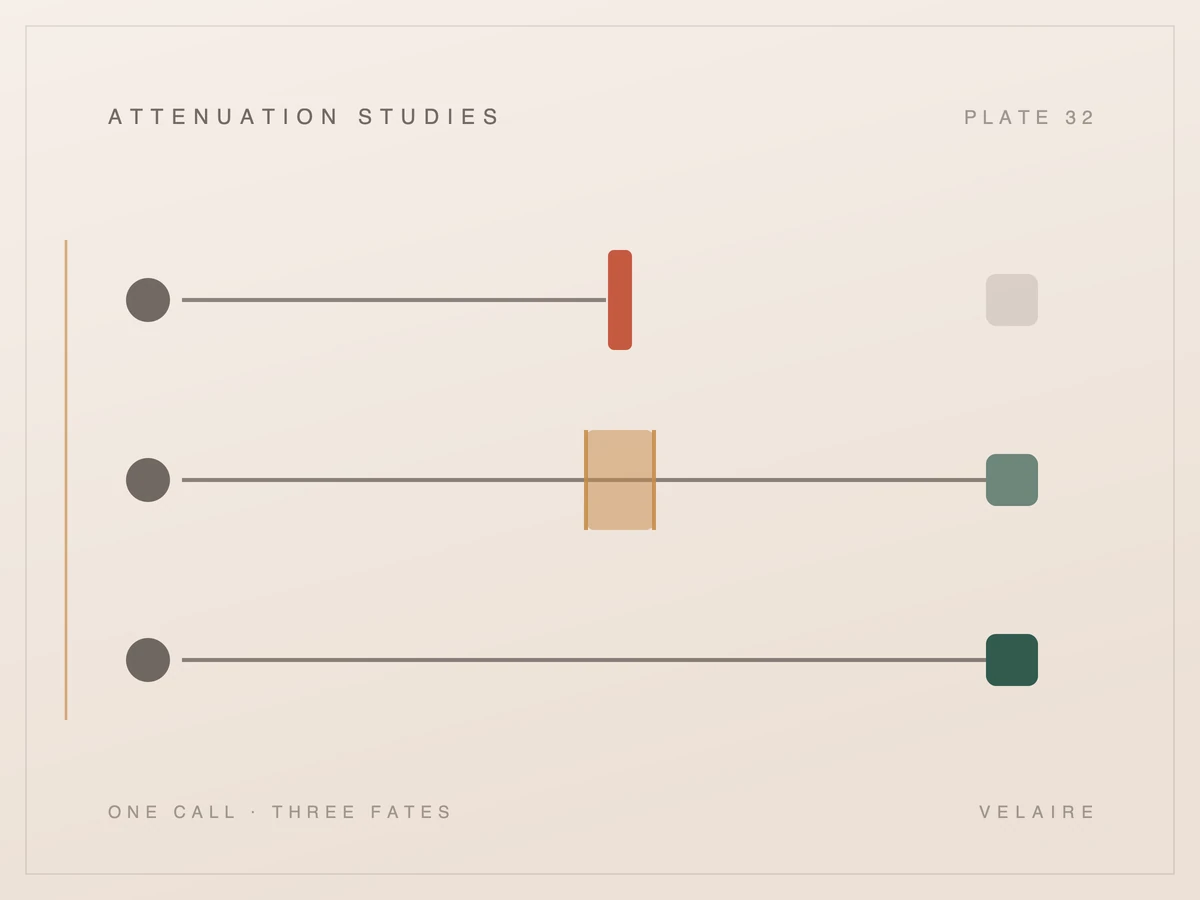
The front desk calls back.
The patient sees an unknown number.
The call rings out.
Calling back and nobody picks up.
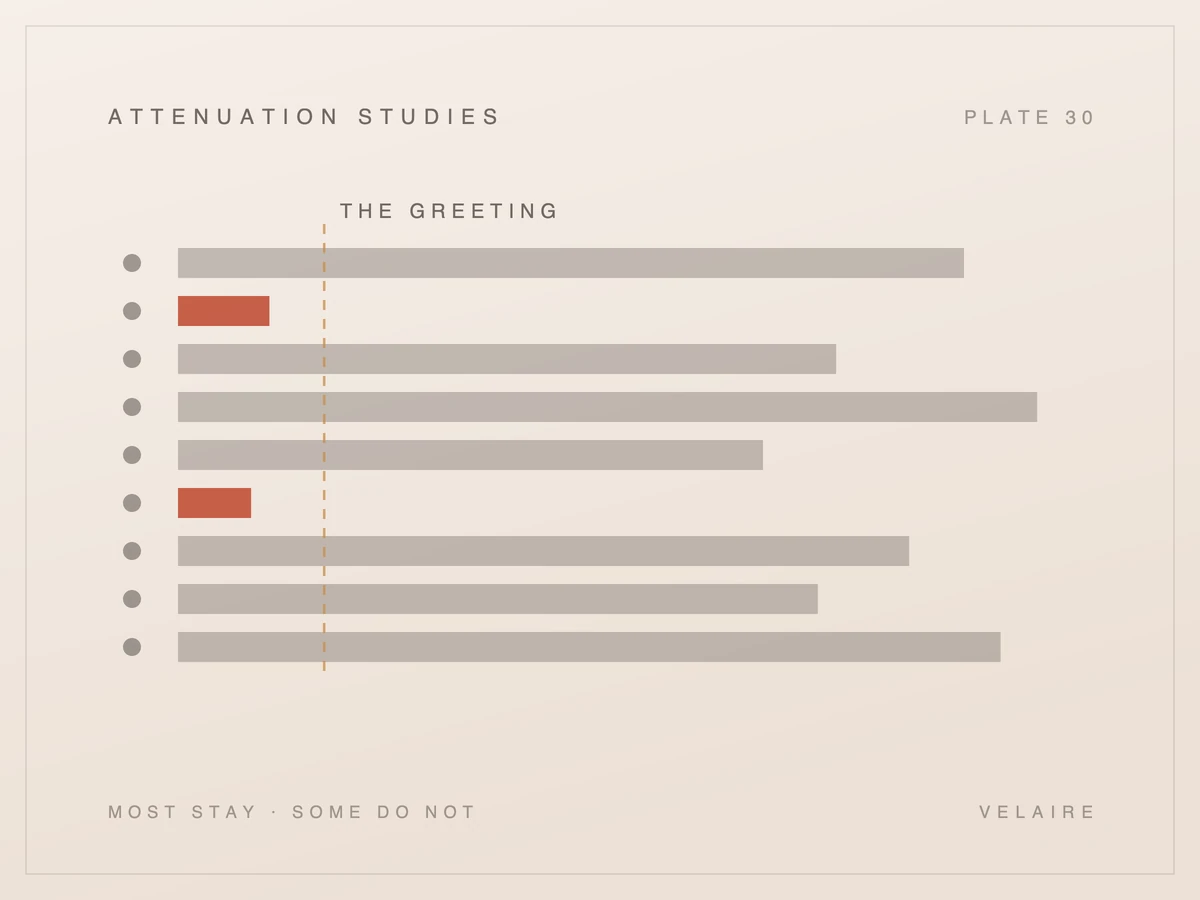
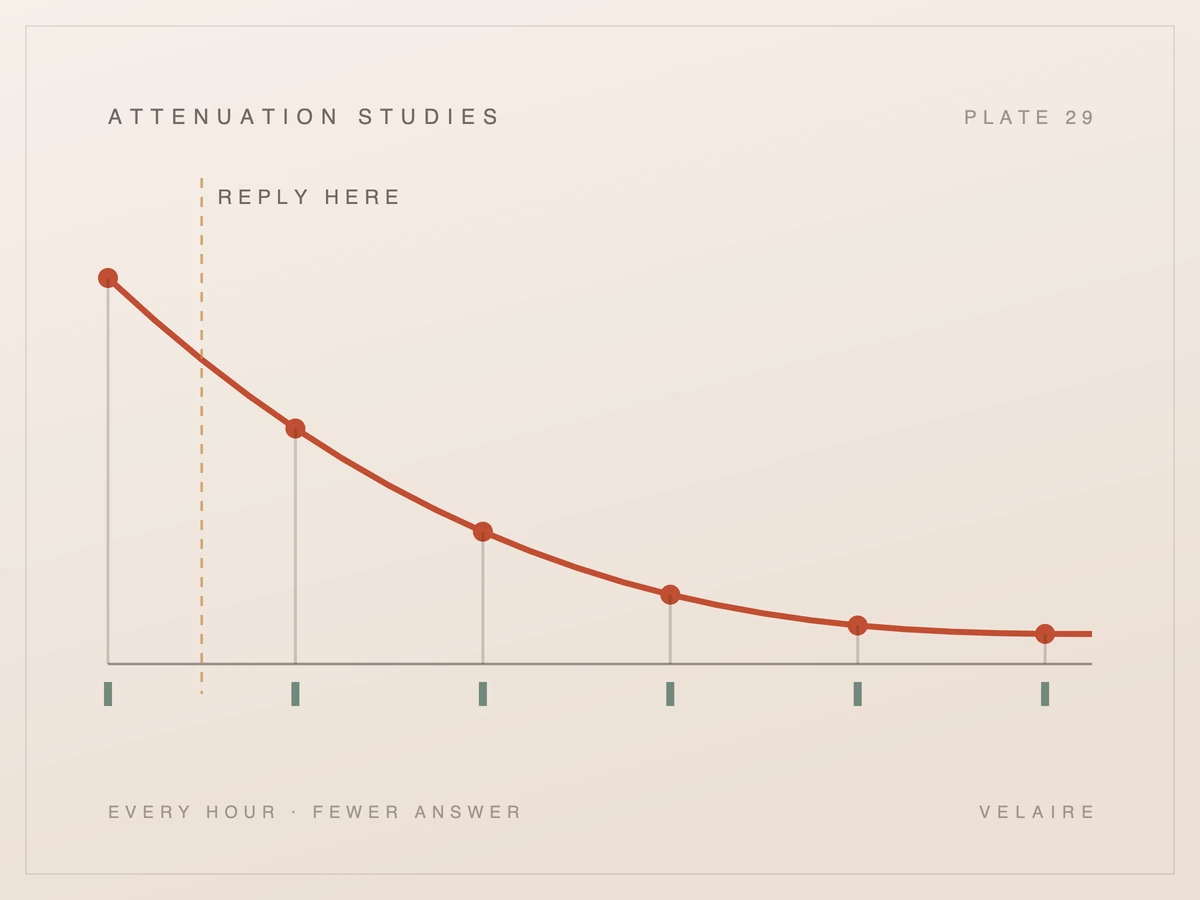
Every morning the front desk works the list of calls that came in while nobody was free. They dial back. A good share ring out or go to voicemail. Nobody can say whether the patient was busy, screening the call or never saw it ring.
This post covers what research says about how people treat unknown numbers, what call authentication known as STIR/SHAKEN does and does not tell a carrier, when a carrier may block a call, and what you can and cannot appeal. It is a plain overview for US practice owners and office managers, not legal advice. Questions about consent, what a voicemail may say and your carrier contract belong with your counsel.
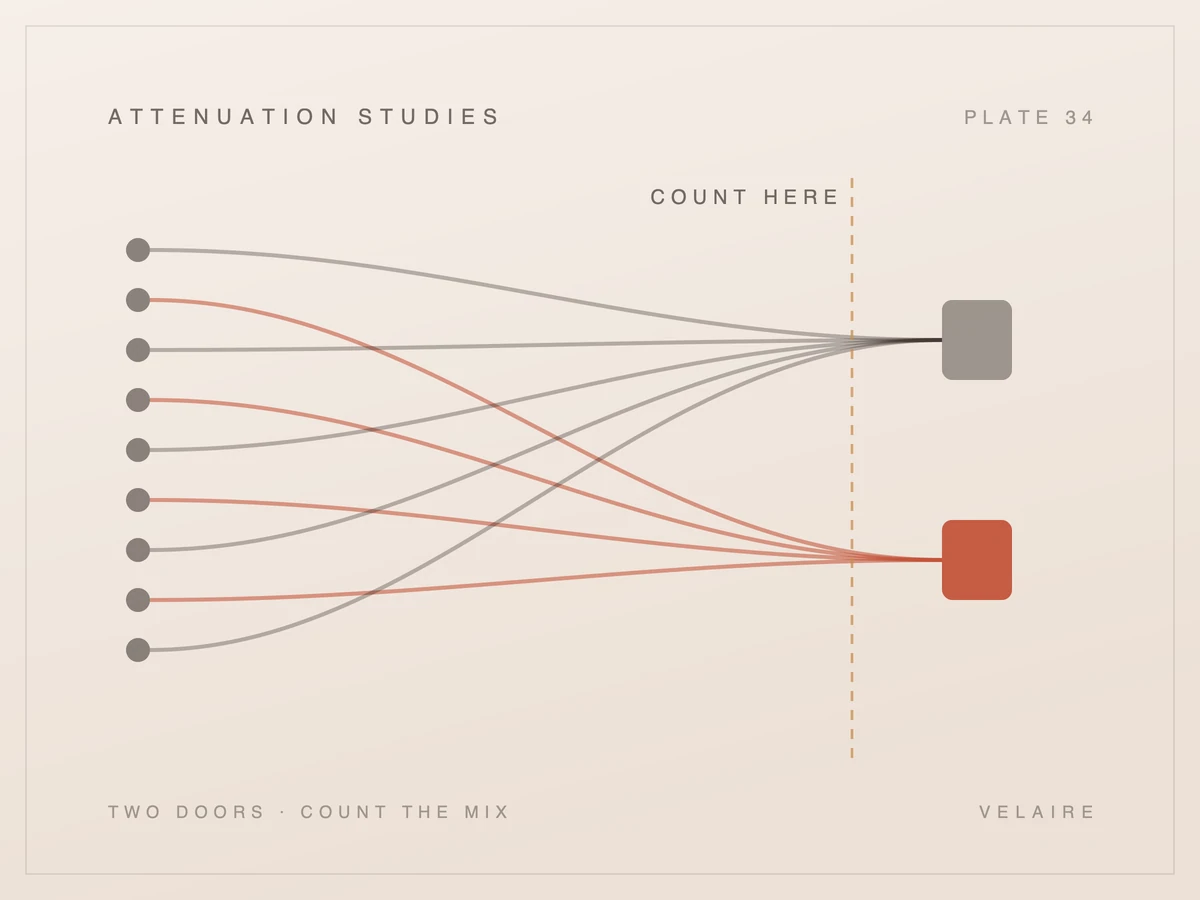
Most do not. In a 2020 Pew Research Center survey, eight in ten US adults said they do not generally answer their cellphone when an unknown number calls. It is a habit across the population. A callback can fail before any spam label or carrier blocking enters the picture.
Pew surveyed 10,211 US adults from July 13 to 19, 2020. Only 19% said they generally answer an unknown number, and in no demographic group did more than a quarter say so [1]. The largest group, 67%, said they let the call go but check a voicemail if one is left. Another 14% said they generally ignore the voicemail as well [1].
That is the only recent figure we found from an independent source on this exact question, and it is six years old. It measures what people say, not what they do, and it covers every unknown number, not healthcare calls. Pew also says it is less clear why people do not pick up. It lists robocall overload, call blocking technology, call screening and worries about scams as possibilities [1]. The survey does not blame spam labels, and neither should you.
Eight in ten let unknown numbers ring. Plan for the voicemail, not the pickup.
How US adults treat unknown numbers
80%
Generally do not answer an unknown number
Pew, 2020
19%
Generally do answer
Pew, 2020
67%
Let it ring but check a voicemail
Pew, 2020
14%
Generally ignore the voicemail too
Pew, 2020
Pew Research Center survey of 10,211 US adults, July 2020. Pew has not published a newer figure on this question that we found.
A callback from an unfamiliar number is a bet that the patient checks the message afterward.
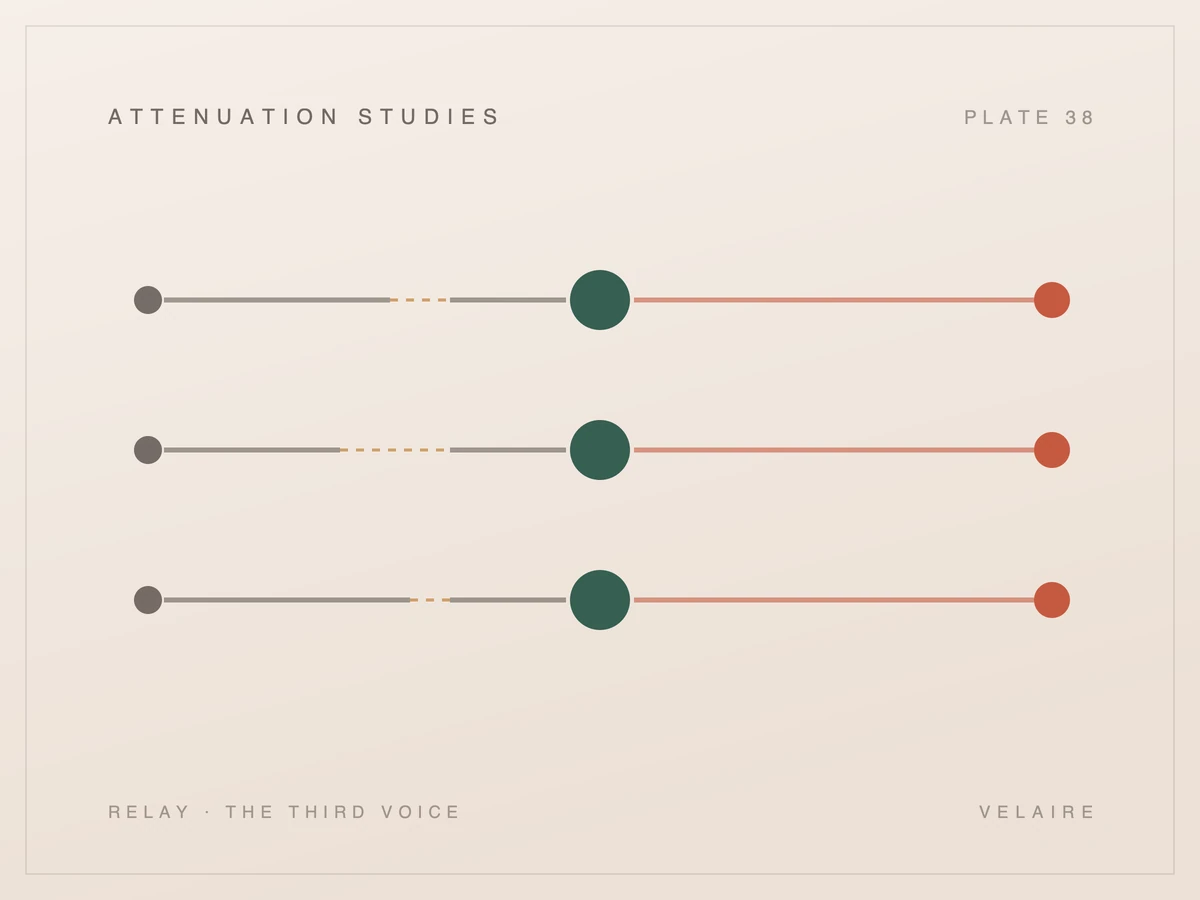
It tells the receiving carrier whether the calling carrier signed the call and how well that carrier knows the caller. It does not say who you are, why you are calling or whether patients want to hear from you. STIR/SHAKEN is a check against spoofed numbers between carriers, not a reputation score for your practice.
The FCC required voice providers to put the framework in place on their internet protocol networks by June 30, 2021, with later dates for some smaller providers [2]. Your provider signs the calls it originates with a digital certificate, and the carrier on the other end checks the signature. A provider may hire a third party to do the signing only if the provider itself makes every decision about how much to vouch for each call [2].
That vouching comes in three levels, as the FCC describes them in a 2026 proposal that cites the industry standard behind them [5]. A-level means the provider originated the call, knows the customer and has verified the customer's right to the number. B-level means the first two but not the third. C-level means the provider has no relationship with whoever started the call, which is the case for a gateway handling international traffic [5].
What each attestation level tells the receiving carrier
1
A, full
Carrier originated the call, knows the customer and verified their right to the number.
2
B, partial
Carrier originated the call and knows the customer, but has not verified the number.
3
C, gateway
Carrier has no relationship with whoever started the call.
The levels as the FCC describes them in a 2026 proposal. They describe what the signing carrier knows, not whether patients want the call.
An A does not guarantee a clean result. The same FCC document quotes data that 48 percent of illegal calls carry an A attestation, because bad actors sign through providers that vouch too freely [5]. Carriers weigh attestation next to call volume, complaints and other signals, and the rules only require their analytics to consider authentication information where it is available [3].
For you, the useful question is whether your own provider can vouch for your numbers. If your service runs through a reseller, or the number is not tied to your business account, the answer may be B. Ask your provider which level your outbound calls get. If the answer is not A, ask why.
The FCC has proposed to codify those levels and bar improper attestations. The notice ran in the Federal Register on July 9, 2026, and comments closed August 10 [6]. These are proposals, so nothing in them changes how your calls are treated today.
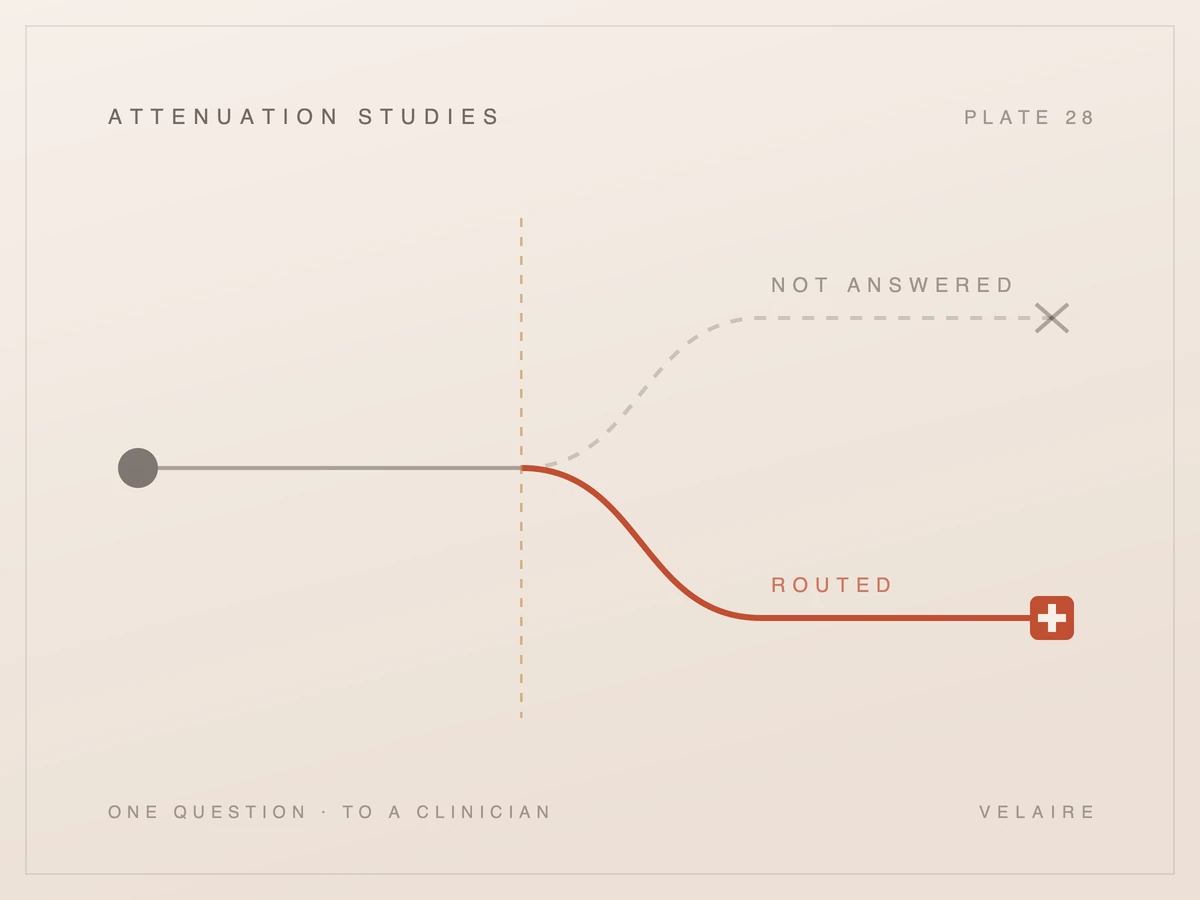
A carrier can block a call without liability when it uses reasonable analytics to find unwanted calls, considers caller ID authentication where available, lets customers opt out and gives callers a free way to dispute. Blocking is allowed, but the FCC attached conditions, and one of them is a dispute channel for you.
Those conditions sit in 47 CFR 64.1200(k)(3). The analytics must be applied in a nondiscriminatory, competitively neutral way, and consumers cannot be charged extra for blocking [3]. A carrier that blocks must also send a response code back toward the caller's side of the network, so the originating provider can see that a block happened rather than a failed connection [3]. Your own provider may be able to tell you whether a number is being blocked.
The dispute channel is the part a practice can use. Under paragraph (k)(8), a terminating provider that blocks calls, or that uses authentication information to decide how to deliver them, must publish a single point of contact on its public website for blocking error complaints. It must settle disputes within a reasonable time, send a status update within 24 hours at the minimum and charge callers nothing for good-faith reports. If your claim is credible and the block was wrong, the provider must promptly stop that treatment for your number [3].
Notice whose carrier that is. The terminating provider is the patient's, not yours, so you need to know whose network the patient is on.
Patients have a lever too. Any subscriber whose carrier runs a blocking program can request, free and within 3 business days, a list of calls blocked in the previous 28 days, with the date, time and calling number [3]. A patient who says "I never got your call" can check.
Blocking has a dispute channel with a status update inside 24 hours. A spam label does not.
Not under federal rules. In 2020 the FCC chose not to require a dispute process for erroneous call labels, reasoning that a labeled call still reaches the phone and the caller can leave a voicemail. It urged carriers and analytics companies to work with callers in good faith, which is a request rather than a rule.
A blocked call stops at a barrier that has a dispute channel. A labeled call passes through a tinted gate that has none.
The order is the Fourth Report and Order, FCC 20-187, issued in December 2020. It states that the FCC declines to extend redress mechanisms to erroneous call labeling "at this time" [4]. Unlike a blocked call, a labeled call reaches the patient, many consumers hesitate to answer unknown numbers anyway, and whether a label is wrong is often a difference of opinion between the person calling and the person called [4]. We found no later FCC rule that changes this, but ask counsel to confirm before relying on that.
So the three outcomes look like this.
What happened to your callback
Does it reach the patient's phone?
FCC redress for the caller
Blocked by the patient's carrier
No
Yes: free point of contact, status update within 24 hours
Delivered with a label such as "Spam Risk"
Yes, with the label
None required for the label itself
Delivered with no label, not answered
Yes
None needed, since the patient chose not to pick up
There is a free registry where businesses can list their outbound numbers. Its terms send questions to three call-analytics companies: First Orion, Hiya and TNS. It takes up to 20 numbers at a time. Its own terms say that registering numbers "does not guarantee redress" and that it is not a replacement for monitoring how your calls are labeled [7]. We found no independent evidence that registering improves answer rates for practices. Any claim that it does comes from the vendors.
How labels get decided is not public. The FCC's rules only require the analytics to be reasonable [3], so nobody outside the analytics companies can say for certain what moves a label.
More than it feels like. You control which number you call from, how consistently you use it, what your voicemail says and what you ask your provider. You do not control the patient's carrier or its analytics, so the work is making each call easy to recognize and easy to trust.
Within your control on the callback
✓Call from the practice's main number, the one patients can save
✓Ask patients at intake to add that number to their contacts
✓Leave a voicemail that names the practice and gives a number to call back
✓Keep clinical detail out of messages, and check the wording with counsel
✓Ask your provider what attestation level your outbound calls get
✓Log unanswered callbacks for 30 days, with the patient's carrier where known
✓Do not text as a workaround without consent
None of these guarantees a pickup. Together they make each call easier to recognize and trust.
Start with the number. A patient is more likely to recognize and save the practice's main line than a rotating set of numbers or a staff member's cell. Ask patients at intake to save your number as a contact. Nobody can promise that a consistent number avoids a label, since the analytics are proprietary. It is a sensible habit that costs nothing.
Then the voicemail, since 67% of adults in the 2020 Pew survey said they check one if it is left [1]. Say the practice name first, say you are returning their call and give a number to call back. Keep clinical detail out of it, and ask your privacy officer or counsel what your voicemail may say. A script with placeholders is enough:
"Hi [patient name], this is [practice name], returning your call about scheduling. You can reach us any time at [practice phone]. Thank you."
Then ask your phone provider three questions. What attestation level do our outbound calls get? Is our number registered in our company's name? Who handles blocking error complaints if a patient's carrier blocks us?
Texting is a different matter. It can look like the obvious fix when calls fail, but a text to a patient is governed by consent rules, carrier registration and opt-out requirements that do not apply to a call. Do not text patients as a workaround unless you have the consent. Our guide to patient texting consent explains the requirements.
It removes the problem from the front of the line. A patient who calls your practice and reaches an answer never needs a callback, so no label, block or voicemail check stands between you. Call failures on the return trip matter less when fewer calls need a return trip.
Velaire Health is one way to get that first answer. It answers calls on the practice's existing number: after hours on the Recovery plan, daytime overflow on Growth, and every inbound call on Pro. It says it is automated at the start of every call, and a caller can ask for a person at any point. It checks live availability and books on the calendar Velaire keeps for the practice, confirming the time before the call ends. A caller with a clinical or urgent question is never booked, and the call goes to your team.
Be clear about the limits. Velaire does not make outbound calls, so it does nothing for a callback list you already have. It does not touch a patient's carrier or labels, and it cannot reach someone who has not called you.
Ask a few cooperative patients on different carriers what their screen showed when you called. Keep a simple record of callbacks that go unanswered, with the patient's carrier where you know it. Bring any pattern on one carrier to your provider.
Checking whether a callback was blocked
28 days
Of blocked calls a patient can ask their carrier to list
Free to request
3 business days
For the carrier to send that list
Date, time and number
24 hours
For a status update on your blocking complaint
At the minimum
From 47 CFR 64.1200(k)(8) and (k)(10). These apply to blocking, not to spam labels.
Start with the test. Pick patients who have agreed to help, call from the line you normally use, and ask what the screen showed: your number, your name, a label or nothing. The label is decided on the patient's side, so only the patient can tell you.
Then keep a log for 30 days: date, time, outcome and carrier. Failures across every carrier point to your own process, such as call timing or the message you leave. Failures on one carrier point to that carrier's analytics, and there the dispute channel in paragraph (k)(8) may help [3].
Take what you find to your provider first. If patients say they never saw your calls, ask them to request the blocked-call list. If consent or voicemail wording is in question, take that to counsel.
Most patients let unknown numbers ring. A block has an appeal, and a label does not. The cleanest fix is the call that never needs returning.
FAQs
Questions about this
Many people do not answer unknown numbers at all. In a 2020 Pew survey, 80% of US adults said they generally do not, though 67% said they check a voicemail if one is left. Carrier labels and blocking can add to it, but no study we found measures how much for healthcare callbacks.
It lets your phone provider vouch that your caller ID is real, and lets the receiving carrier check that signature. A full-level attestation means your provider knows you and has verified your right to the number. It does not guarantee a clean label, because carriers also weigh volume, complaints and other signals.
Federal rules do not require a dispute process for labels. The FCC declined in 2020 to extend redress to labeling. Blocking is different: the patient's carrier must publish a contact for blocking errors and give a status update within 24 hours. A free registry exists, but its own terms say registration does not guarantee redress.
Only if you have the consent to. Texting is governed by its own rules, including patient consent, carrier registration and opt-out handling, which are separate from the rules for calls. A text is not a workaround for a labeling problem. Read the consent requirements and ask counsel before you start texting patients.
It avoids it for the calls you answer, because a patient who reaches you does not need a callback. It does not help with callbacks you must still make, or patients who have not called. An answering service or a phone agent can cover the first call. Neither changes how a patient's carrier treats your outbound number.
Builds AI front-office systems for medical and aesthetic practices. Posts here start from published sources rather than vendor claims, and every number links back to where it came from.
The ADA says a medical practice must answer relay calls the way it answers any call, and that its automated phone systems must work for relay users. Here is what that means at your desk.
Portals and online booking keep growing, yet the most common reason patients skip the portal is wanting to talk to a person. Here is what the surveys show, and the one number nobody has measured.
Surveys show many customers distrust AI in service, mostly because they fear losing a route to a person. Waiting on hold also drives hang-ups. Here is how to weigh both risks.
What published research can and cannot tell you about replying to new inquiries, and a target your front desk can hold for live calls, callbacks and web forms.
Clinical and urgent calls are never booked by Velaire Health. They go to a person. Here is why that line exists, and how to write the handoff so an urgent caller never waits in a queue.
Voicemail looks like a safety net and behaves like an unmanaged work queue. Here is why the ownership problem is structural, what the alternatives actually change, and the number that settles it.
The plain-language explainer: what it does, what it deliberately doesn't, and how it compares with voicemail, an answering service, a phone tree, and hiring.